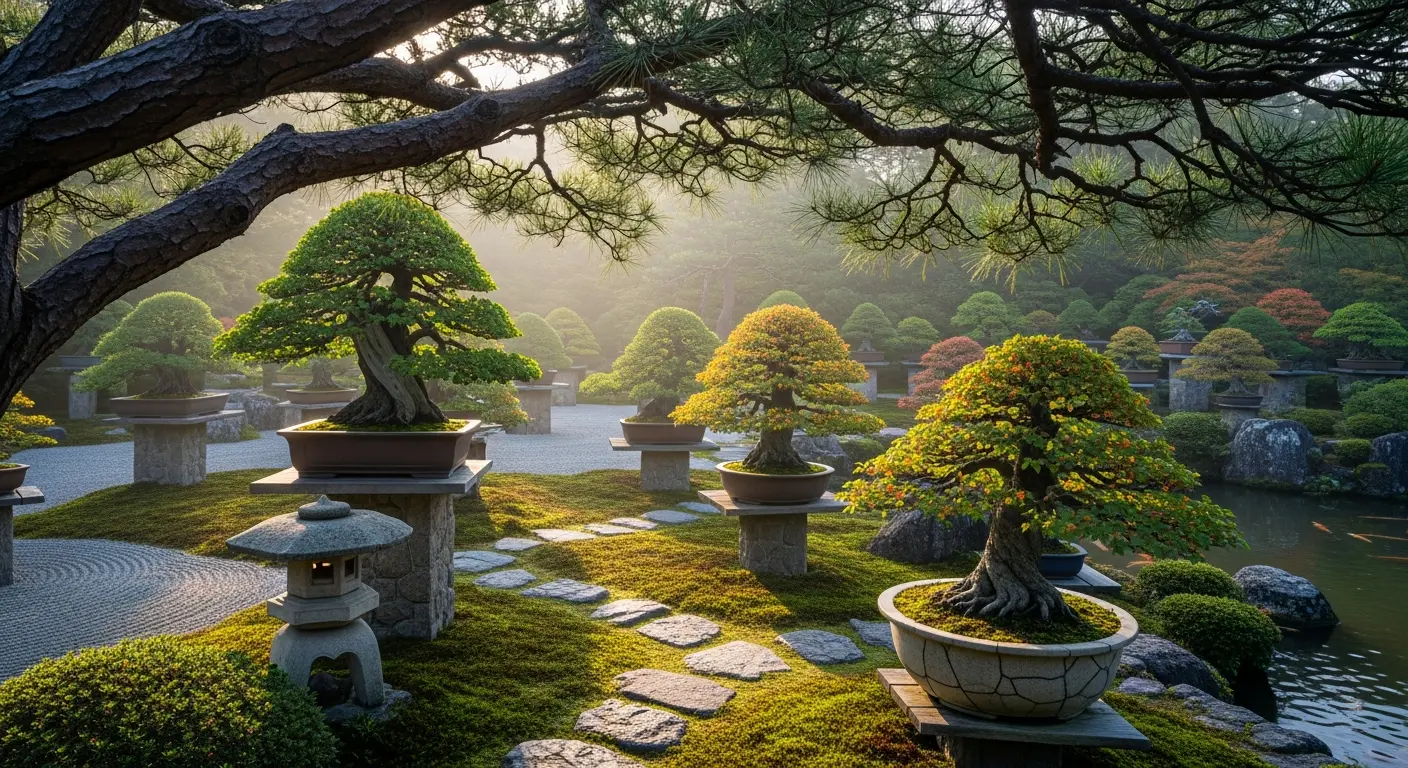
Bonsai is more than horticulture — it’s a living art form that transcends time. Each tree tells a story of patience, care, and centuries of dedication. Some bonsai have been nurtured by generations, surviving wars, natural disasters, and the passing of countless seasons.
In this post, we’ll explore the Top 10 oldest bonsai trees in the world — living legends that embody history, artistry, and devotion. These ancient bonsai are not just plants; they are symbols of resilience and the timeless bond between humans and nature.
Table of Contents
1. Ficus Bonsai at Crespi Bonsai Museum – Over 1000 Years Old
Location: Crespi Bonsai Museum, Italy
Standing as one of the oldest bonsai trees in the world, the Crespi Ficus Bonsai is believed to be more than 1000 years old. Originating in China and later cared for by Japanese masters, this magnificent tree now resides at the Crespi Bonsai Museum in Parabiago, Italy — a true shrine for bonsai lovers.
The tree is displayed in a stunning, hand-crafted pot made especially for it. Its thick aerial roots, twisting trunk, and massive canopy symbolize longevity and wisdom. Despite its age, it continues to grow strong, cared for by expert hands who ensure its legacy continues.
Highlights:
- Estimated age: Over 1000 years.
- Originally from China, preserved in Italy.
- Known for its grand structure and deep spiritual symbolism
2. Sandai-Shogun-no-Matsu – 500 Years Old
Location: Tokyo Imperial Palace, Japan
The Sandai-Shogun-no-Matsu, or “Third Shogun’s Pine,” is a 500-year-old Japanese White Pine that has been carefully preserved at the Tokyo Imperial Palace. It gets its name from being nurtured by Japan’s third Tokugawa Shogun, Tokugawa Iemitsu, in the 17th century.
This tree has been passed down through generations of the imperial family and is considered one of Japan’s national treasures. Its powerful structure and perfectly balanced form make it one of the finest examples of bonsai art in history.
Highlights:
- Age: About 500 years.
- Owned by Japanese emperors for centuries.
- A symbol of Japanese bonsai heritage
3. Shunka-en White Pine Bonsai – Over 800 Years Old
Location: Shunka-en Bonsai Museum, Tokyo, Japan
This majestic White Pine bonsai is the crown jewel of the Shunka-en Bonsai Museum, owned by Master Kunio Kobayashi — one of the most respected bonsai artists in the world. Estimated to be over 800 years old, it features a dramatic, weathered trunk and delicate foliage shaped to perfection.
Despite its great age, this tree radiates vitality. Its twisted form tells the story of resilience and harmony with nature. It’s also one of the most photographed bonsai trees on earth, admired by enthusiasts and masters alike.
Highlights:
- Estimated age: 800 years.
- Owned by Bonsai Master Kunio Kobayashi.
- Displayed in Tokyo’s famous Shunka-en Museum
4. Hiroshima Survivor Bonsai – Over 400 Years Old
Location: U.S. National Arboretum, Washington D.C., USA
This Japanese White Pine bonsai stands as a symbol of peace and survival. It’s over 400 years old and remarkably survived the atomic bombing of Hiroshima in 1945.
Originally nurtured by the Yamaki family in Japan, this bonsai was later donated to the United States National Arboretum in 1976 as a gesture of goodwill. The tree bears silent witness to history, reminding the world of resilience, hope, and harmony.
Highlights:
- Survived the Hiroshima bombing.
- Over 400 years old.
- Now part of the National Bonsai & Penjing Museum collection
5. Bonsai at the Mansei-en Nursery – 1000+ Years Old
Location: Omiya Bonsai Village, Japan
The Mansei-en Nursery, managed by the Kato family for six generations, houses one of the oldest known bonsai trees — a massive juniper believed to be more than 1000 years old.
Collected from Japan’s wild mountains centuries ago, this juniper displays powerful deadwood features and a deeply aged bark. Despite its gnarled form, it exudes elegance and strength, representing the perfect harmony between endurance and beauty.
Highlights:
- Estimated age: 1000 years.
- Preserved by the Kato family for generations.
- Located in Japan’s historic Omiya Bonsai Village
6. The Red Pine Bonsai of Akao Herb and Rose Garden – 600 Years Old
Location: Akao Herb and Rose Garden, Atami, Japan
This majestic Red Pine bonsai is estimated to be around 600 years old and is displayed at the Akao Herb and Rose Garden in Atami, Japan. It’s admired for its thick, twisted trunk and beautifully balanced canopy that spreads in perfect harmony.
The tree is displayed on a scenic hilltop overlooking the ocean, where it enjoys fresh air and natural sunlight — ideal conditions that have helped preserve it for centuries.
Highlights:
- Age: Around 600 years.
- Remarkable Red Pine bonsai in Japan.
- Displayed in an open-air garden with panoramic views
7. The Yamaki Pine – 390+ Years Old
Location: U.S. National Bonsai & Penjing Museum, Washington D.C.
Another treasure from Japan’s past, the Yamaki Pine is around 390 years old and is the most famous exhibit in the U.S. National Arboretum. It’s the same Hiroshima survivor tree mentioned earlier — revered for its incredible endurance.
Visitors from all over the world come to see this bonsai, not just for its age but for the story it carries — a story of survival, peace, and the shared bond between nations.
Highlights:
- Age: Nearly 400 years.
- Symbol of peace and endurance.
- Gifted to the U.S. by Japan in 1976
8. Shimpaku Juniper Bonsai – 800 Years Old
Location: Omiya Bonsai Art Museum, Japan
One of the most ancient Shimpaku Juniper bonsai trees, estimated to be around 800 years old, is showcased at the Omiya Bonsai Art Museum — a place often considered the spiritual heart of bonsai culture.
This tree has been refined and preserved for centuries, its twisted, weather-beaten form sculpted naturally by time and perfected by generations of bonsai masters. The artistry of its deadwood (jin and shari) is breathtaking.
Highlights:
- Age: 800 years.
- Located in the Omiya Bonsai Museum, Japan.
- Perfect example of aged juniper bonsai aesthetics
9. Bonsai at the Imperial Palace Collection – 500+ Years Old
Location: Tokyo Imperial Palace, Japan
The Imperial Palace bonsai collection is home to several ancient trees, including a few over 500 years old. Among them is an exquisite Five-needle Pine, trained for centuries to maintain its graceful structure.
These trees are maintained by a dedicated team of royal gardeners, who follow centuries-old traditions to ensure their continued health. The collection is rarely open to the public, making these bonsai mysterious national treasures.
Highlights:
- Age: Over 500 years.
- Kept within the Japanese Imperial collection.
- Maintained with traditional bonsai methods.
10. Ancient Juniper Bonsai from the Taikan-ten Exhibition – 1000 Years Old
Location: Japan (Exhibited Annually)
At Japan’s prestigious Taikan-ten Bonsai Exhibition, one of the most awe-inspiring displays is an ancient Juniper bonsai believed to be over 1000 years old. It’s privately owned and only displayed during select exhibitions, making it a rare sight.
Collected from Japan’s rugged mountains centuries ago, this juniper has survived natural elements for generations before being refined into a masterpiece of balance and character.
Highlights:
- Estimated age: 1000 years.
- Displayed occasionally at Taikan-ten.
- Revered for its dramatic deadwood and ancient form
The Timeless Beauty of Ancient Bonsai
What makes these trees so fascinating is not just their age but the human dedication behind them. For centuries, bonsai masters have passed down techniques and traditions to ensure these miniature trees continue to thrive.
Many of these bonsai have survived wars, climate changes, and even atomic bombings — proving their extraordinary resilience. Each one is a testament to patience, care, and the deep philosophy that defines bonsai: nature, balance, and time in harmony.
Tips to Care for Long-Lived Bonsai
If you’re inspired by these ancient trees and want to cultivate a bonsai that lasts for generations, here are some key care tips:
- Choose the right species – Hardy varieties like Ficus, Juniper, and Chinese Elm live long and adapt easily.
- Provide proper light – Ensure consistent sunlight or grow lights for indoor species.
- Water wisely – Keep soil moist, not soggy. Overwatering shortens bonsai lifespan.
- Prune regularly – Maintain balance and encourage healthy growth.
- Repot periodically – Change soil every 2–3 years to refresh nutrients and roots.
- Be patient – Bonsai growth is slow; longevity comes from steady, gentle care.
Final Thoughts
The oldest bonsai trees in the world are not merely plants — they are living connections to history. From the 1000-year-old Ficus in Italy to Japan’s legendary White Pines and Junipers, each one carries centuries of artistry and devotion.
Caring for a bonsai today means joining this ancient tradition. Who knows — the bonsai you start now might one day be admired hundreds of years from today, continuing the story of time, care, and beauty in miniature form.