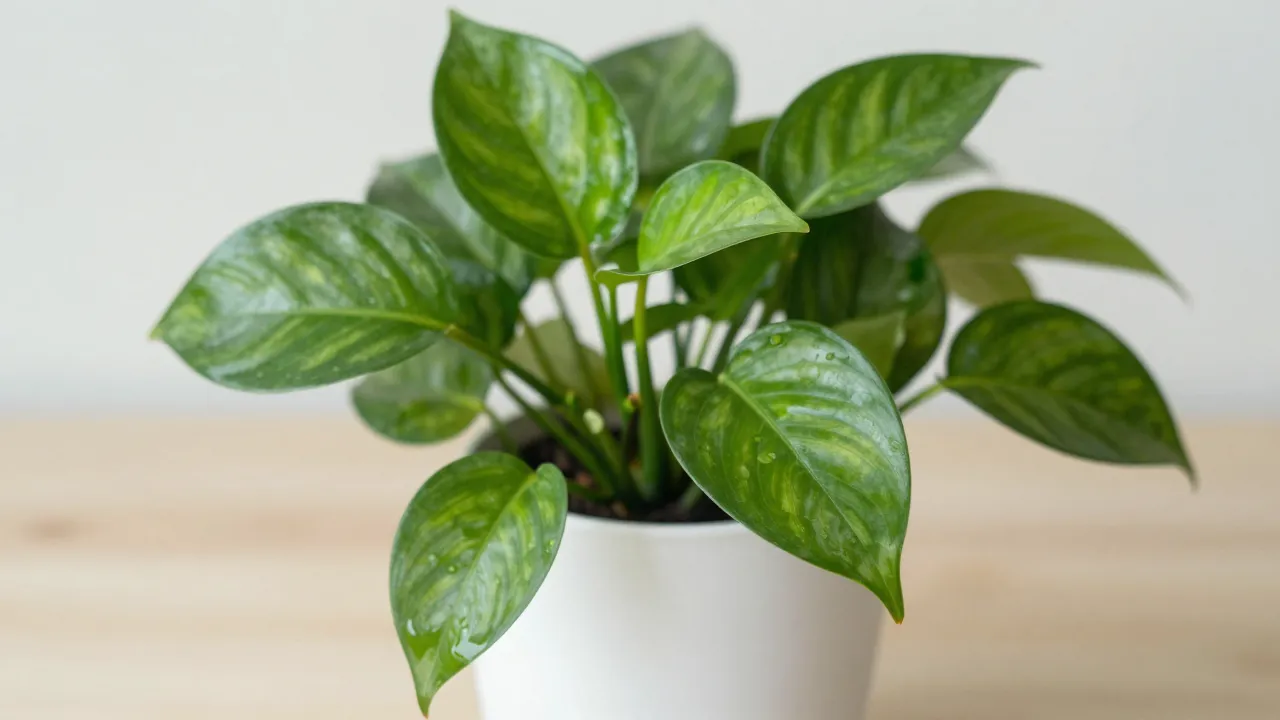
The pothos plant is one of the most popular houseplants in the world—and for good reason. Loved for its trailing vines, heart-shaped leaves, and forgiving nature, pothos is perfect for beginners and experienced plant lovers alike. Whether you want to green up your home, purify indoor air, or start an easy plant care journey, pothos is a reliable choice.
In this in-depth guide, you’ll learn everything you need to know about growing and caring for a pothos plant, from ideal conditions and watering tips to propagation, pruning, and troubleshooting common problems.
Table of Contents
What Is a Pothos Plant?
Pothos (Epipremnum aureum) is a tropical evergreen vine native to Southeast Asia and the Pacific Islands. It belongs to the Araceae family and is commonly grown as a houseplant due to its adaptability and low maintenance needs.
Pothos is often confused with philodendrons, but it has thicker, waxier leaves and a more vigorous growth habit. Indoors, it can grow several feet long, making it ideal for hanging baskets, shelves, and climbing supports.
Common names include:
- Devil’s Ivy
- Golden Pothos
- Marble Queen
- Money Plant (in some regions)
Types of Pothos Plants
There are several beautiful pothos varieties, each with unique leaf patterns and colors:
- Golden Pothos – Green leaves with yellow variegation; the most common and hardy variety
- Marble Queen Pothos – Creamy white and green marbled leaves
- Neon Pothos – Bright chartreuse leaves that stand out in low light
- Jade Pothos – Solid green leaves, very tolerant of low light
- Pearls and Jade Pothos – Compact leaves with white, green, and gray variegation
- Manjula Pothos – Broad leaves with wavy edges and heavy variegation
Each type has similar care needs, though highly variegated varieties prefer brighter light.
Ideal Growing Conditions for Pothos
a. Light Requirements
Pothos thrives in bright, indirect light, but it’s famously adaptable.
- Best: Bright, filtered light near a window
- Tolerates: Low light conditions
- Avoid: Direct sunlight (can scorch leaves)
Pro tip: Variegated pothos needs more light to maintain its patterns. In low light, leaves may turn solid green.
b. Temperature and Humidity
Being a tropical plant, pothos prefers warm and moderately humid conditions.
- Ideal temperature: 65–85°F (18–29°C)
- Minimum temperature: Above 55°F (13°C)
- Humidity: Average household humidity is sufficient
While pothos tolerates dry air, occasional misting or placing it near a humidifier can boost growth.
How to Water Pothos Correctly
Overwatering is the most common pothos care mistake. This plant prefers slightly dry soil between waterings.
Watering guidelines:
- Water when the top 1–2 inches of soil are dry
- Use room-temperature water
- Ensure excess water drains out completely
Signs of overwatering:
- Yellowing leaves
- Mushy stems
- Root rot smell
Signs of underwatering:
- Drooping or curling leaves
- Crispy leaf edges
Best Soil and Pot for Pothos
Pothos needs well-draining soil to prevent root rot.
Best soil mix:
- Standard indoor potting soil
- Add perlite or sand for better drainage
Best pot type:
- Pots with drainage holes are essential
- Terracotta pots help regulate moisture
- Hanging baskets work well for trailing growth
Avoid oversized pots, as excess soil retains moisture for too long.
Fertilizing Pothos Plants
Pothos is not a heavy feeder but benefits from occasional fertilizing during the growing season.
- Use a balanced liquid houseplant fertilizer
- Fertilize once every 4–6 weeks in spring and summer
- Do not fertilize in fall and winter
Too much fertilizer can cause leaf burn and salt buildup.
Pruning and Training Pothos
Pruning helps keep pothos full, healthy, and attractive.
How to prune pothos:
- Trim just above a leaf node
- Remove leggy or yellowing vines
- Use clean, sharp scissors
Training options:
- Let it trail from shelves or hanging baskets
- Train it to climb a moss pole or trellis
- Pinch growing tips to encourage bushier growth
How to Propagate Pothos
Pothos propagation is easy and beginner-friendly.
Water Propagation
- Cut a healthy vine with at least one node
- Place the cutting in water (node submerged)
- Change water every few days
- Roots form in 1–3 weeks
- Transfer to soil when roots are 2–3 inches long
Soil Propagation
- Plant cuttings directly into moist soil
- Keep soil lightly damp until roots establish
Propagation is a great way to create new plants or share with friends.
Common Problems and Solutions
| Problem | Cause | Solution |
|---|---|---|
| Yellow leaves | Overwatering | Let soil dry before watering |
| Brown leaf tips | Low humidity or underwatering | Increase humidity, water consistently |
| Leggy growth | Low light | Move to brighter indirect light |
| No variegation | Insufficient light | Increase light exposure |
| Root rot | Poor drainage | Repot with fresh, well-draining soil |
Is Pothos Toxic to Pets?
Yes, pothos is toxic to cats and dogs if ingested. It contains calcium oxalate crystals that can cause:
- Mouth irritation
- Drooling
- Vomiting
Keep pothos out of reach of pets or opt for pet-safe plants if needed.
Benefits of Growing Pothos Indoors
Growing pothos offers several advantages:
- Improves indoor air quality
- Reduces stress and boosts mood
- Low maintenance and beginner-friendly
- Fast-growing and easy to propagate
- Enhances home décor with trailing vines
Pothos is also known for its resilience, making it ideal for busy plant owners.
Conclusion
Pothos is a versatile, hardy, and beautiful houseplant that thrives with minimal care. By providing the right light, proper watering, and occasional maintenance, you can enjoy lush, trailing vines year-round. Whether you’re a beginner or a seasoned plant parent, pothos is a rewarding addition to any indoor space.