Pitcher plants are among the most fascinating carnivorous plants you can grow. With their beautifully shaped pitchers, vibrant colors, and ability to trap insects naturally, they are both ornamental and functional. While they may look exotic and intimidating, pitcher plants are surprisingly manageable once you understand their needs.
This complete guide will walk you through everything you need to know about how to grow and care for a pitcher plant, from ideal growing conditions to propagation, common problems, and long-term maintenance.
Table of Contents
Understanding the Pitcher Plant
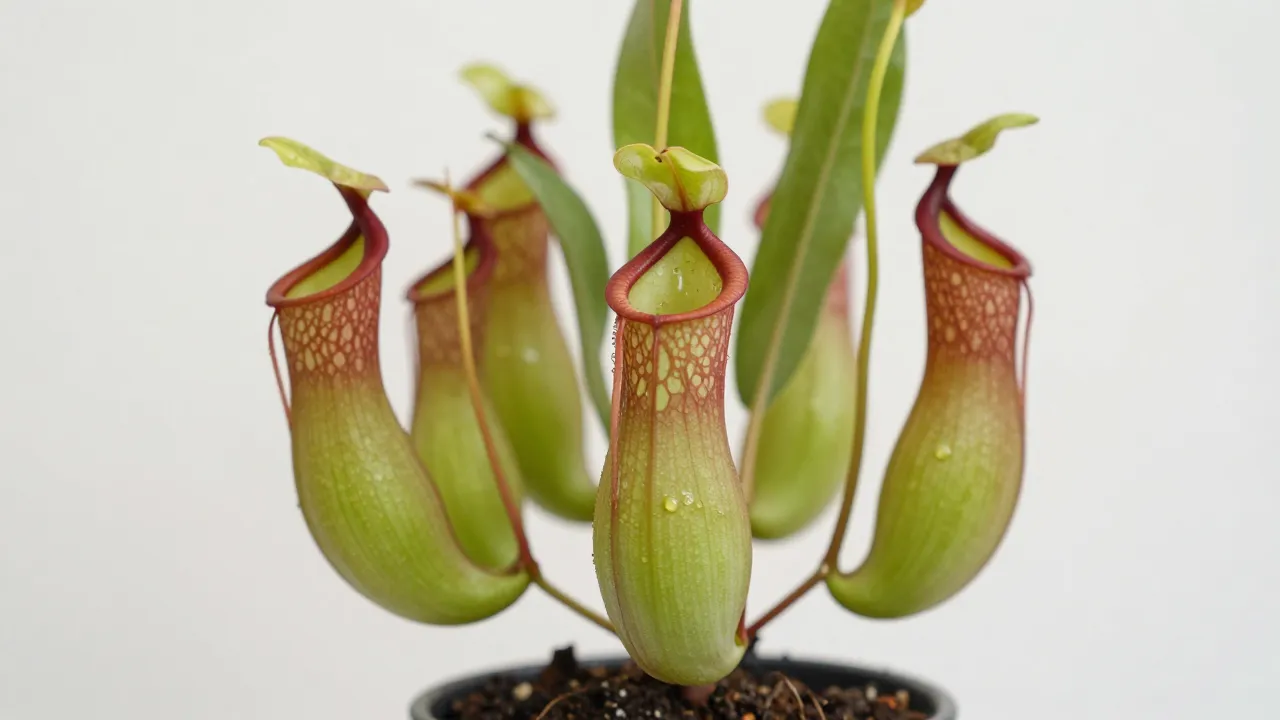
Pitcher plants belong to several genera, most commonly Nepenthes (tropical pitcher plants) and Sarracenia (North American pitcher plants). While their care requirements vary slightly, they share one defining feature: modified leaves shaped like pitchers that trap and digest insects.
How Pitcher Plants Work
- The pitcher contains nectar that attracts insects
- Slippery inner walls cause prey to fall inside
- Digestive enzymes break down insects into nutrients
- The plant absorbs nitrogen and minerals from its prey
This carnivorous adaptation allows pitcher plants to thrive in nutrient-poor soils, where most other plants would struggle.
Types of Pitcher Plants
- Nepenthes: Tropical, climbing plants, ideal for indoor growing
- Sarracenia: Hardy outdoor plants, native to North America
- Heliamphora & Cephalotus: Rare and more advanced to grow
This article focuses primarily on Nepenthes pitcher plant care, as they are the most popular for home growers.
Ideal Growing Conditions
Creating the right environment is the most important factor in successfully growing a healthy pitcher plant.
A. Light Requirements
Pitcher plants thrive in bright, indirect light.
Ideal lighting conditions:
- 6–8 hours of bright indirect sunlight daily
- East- or south-facing windows are best
- Filtered sunlight through sheer curtains is ideal
Signs of improper light:
- Too little light: green pitchers, slow growth, no pitcher formation
- Too much direct sun: scorched leaves, dry pitchers
If natural light is limited, full-spectrum grow lights work extremely well and can significantly improve pitcher production.
B. Temperature & Humidity
Pitcher plants are native to warm, humid environments.
Temperature
- Daytime: 70–85°F (21–29°C)
- Nighttime: 55–70°F (13–21°C)
Highland varieties prefer cooler nights, while lowland varieties thrive in consistently warm conditions.
Humidity
- Ideal humidity: 50–80%
- Higher humidity promotes larger, longer-lasting pitchers
Ways to increase humidity:
- Use a humidifier
- Place plant on a pebble tray with water
- Group plants together
- Grow in a terrarium or greenhouse cabinet
Low humidity is one of the most common reasons pitcher plants fail to form pitchers.

Planting and Potting
Pitcher plants have delicate roots and require specialized potting media.
Best Soil for Pitcher Plants
Never use regular potting soil. Pitcher plants need nutrient-free, well-draining media.
Recommended soil mix:
- 50% sphagnum moss
- 25% perlite
- 25% orchid bark or sand
This mimics their natural boggy environment while allowing proper drainage.
Choosing the Right Pot
- Use plastic or glazed ceramic pots
- Avoid terracotta (leaches minerals)
- Ensure excellent drainage holes
Repot every 1–2 years, preferably in spring, to refresh the medium and encourage growth.

Watering Guidelines
Water quality is critical when caring for a pitcher plant.
Best Water to Use
- Rainwater
- Distilled water
- Reverse osmosis (RO) water
Never use tap water, as minerals and chlorine can damage roots and cause leaf burn.
How Often to Water
- Keep soil consistently moist, not soggy
- Water when the top layer begins to feel slightly dry
- Reduce watering slightly in cooler months
Pitcher plants should never dry out completely. Unlike many houseplants, they thrive in consistently damp conditions.
Fertilizing the Pitcher Plant
Pitcher plants get most of their nutrients from insects, so fertilizing should be minimal.
Do Pitcher Plants Need Fertilizer?
In most cases, no fertilizer is required, especially if the plant catches insects naturally.
Optional Feeding Methods
- Drop a small insect (like a dried mealworm) into a pitcher once a month
- Use diluted orchid fertilizer (1/10 strength) sprayed on leaves—not soil
Avoid overfeeding, as excess nutrients can burn roots and damage pitchers.
Pruning and Maintenance
Routine care helps keep your pitcher plant healthy and attractive.
Pruning
- Remove brown or dried pitchers with clean scissors
- Trim dead leaves at the base
- Avoid cutting green, active pitchers
Pruning encourages new growth and prevents disease.
General Maintenance Tips
- Rotate plant occasionally for even growth
- Clean leaves gently with distilled water
- Monitor humidity and light levels regularly
Healthy pitcher plants will continuously produce new pitchers during the growing season.
Common Problems and Solutions
Even with proper care, issues can arise. Knowing what to look for makes troubleshooting easier.
A. Pests
While pitcher plants are carnivorous, they can still suffer from pests.
Common pests:
- Aphids
- Spider mites
- Mealybugs
Solutions:
- Rinse plant with distilled water
- Use insecticidal soap diluted for sensitive plants
- Avoid chemical pesticides
B. Diseases & Issues
No Pitchers Forming
- Cause: low humidity or insufficient light
- Solution: increase humidity and improve lighting
Brown or Black Leaves
- Cause: mineral buildup, low humidity, or natural aging
- Solution: switch to pure water, prune dead growth
Root Rot
- Cause: poor drainage or compacted soil
- Solution: repot in fresh, airy medium and reduce waterlogging
Propagating Pitcher Plant
Propagation is a rewarding way to expand your collection.
Propagation Methods
- Stem cuttings (most common)
- Basal shoots
- Seed propagation (advanced)
How to Propagate by Cuttings
- Choose a healthy vine with at least one node
- Cut below the node using sterilized scissors
- Place cutting in moist sphagnum moss
- Keep warm and humid
- Roots develop in 4–8 weeks
Propagation is best done in spring or early summer when the plant is actively growing.
Benefits of Growing Pitcher Plant
Growing pitcher plants offers more than just visual appeal.
Natural Pest Control
They help reduce flies, gnats, and mosquitoes indoors and outdoors.
Unique Aesthetic Appeal
Their exotic pitchers make them excellent conversation pieces and focal plants.
Educational Value
Pitcher plants are fantastic for learning about plant adaptation, evolution, and ecosystems.
Low Fertilizer Needs
Their carnivorous nature means less feeding and fewer chemical inputs.
Conclusion
Pitcher plants may seem exotic, but with the right care, they can thrive in your home or garden. By providing proper light, high humidity, pure water, and nutrient-free soil, you’ll be rewarded with stunning pitchers and steady growth.
Whether you’re a beginner exploring carnivorous plants or a seasoned collector expanding your collection, pitcher plants offer a unique and rewarding growing experience. With patience and consistency, these remarkable plants will continue to captivate you year after year.