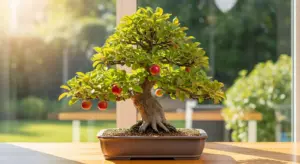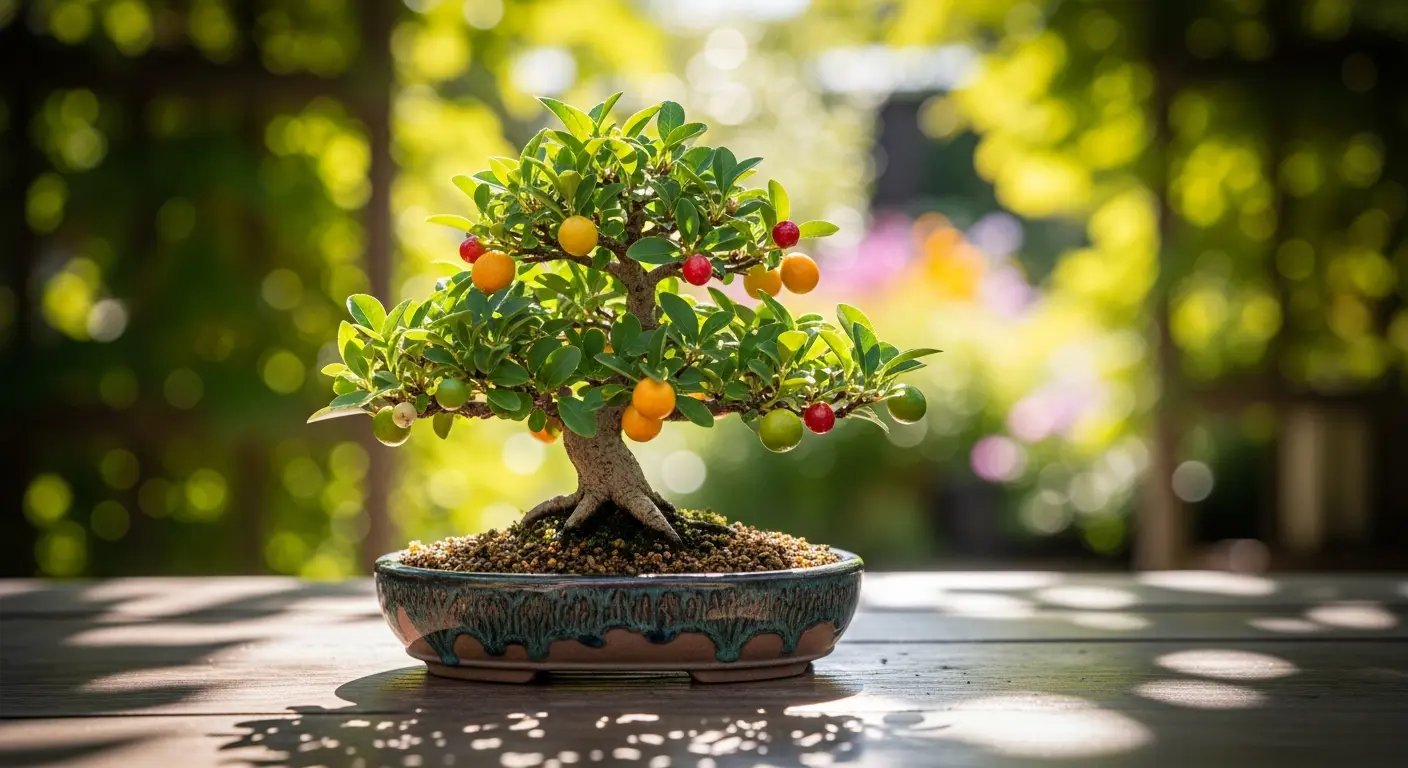
As a professional gardener with years of hands-on experience in bonsai cultivation, I can confidently say that fruit bonsai trees are one of the most rewarding plants you can grow. They combine the elegance and artistry of traditional bonsai with the practical joy of flowering and fruiting. Watching a miniature apple, citrus, or fig tree bloom and bear fruit on your windowsill or patio never fails to amaze, even after years in the trade.
Fruit bonsai trees require patience, attention, and an understanding of both horticulture and bonsai aesthetics. While they are not difficult, they do demand consistent care. In this article, I will guide you step by step through how to grow and care for fruit bonsai trees, covering everything from species selection to pruning, pest control, and long-term maintenance.
Table of Contents
How to Grow Bonsai Fruit Trees
Growing a fruit bonsai begins long before you see the first flower or fruit. It starts with careful planning and correct early decisions.
Choosing the Right Species
Selecting the correct fruit tree species is the most important decision you will make. Not all fruit trees adapt well to bonsai techniques, but many do exceptionally well when properly trained.
Some of the best fruit bonsai species include:
- Apple (Malus spp.) – Known for beautiful spring blossoms and small decorative fruit.
- Citrus (Lemon, Orange, Lime) – Excellent for warm climates or indoor growing, with fragrant flowers and edible fruit.
- Fig (Ficus carica) – Hardy, forgiving, and perfect for beginners.
- Pomegranate (Punica granatum) – One of my personal favorites due to its vivid flowers and ornamental fruit.
- Cherry (Prunus spp.) – Valued for delicate blossoms and compact growth.
When choosing a species, consider:
- Your local climate
- Whether the tree will be grown indoors or outdoors
- Your experience level (some species are more forgiving than others)
Beginners should start with hardy species like fig or pomegranate, as they tolerate pruning and environmental changes well.
Planting Your Tree
Fruit bonsai trees can be grown from seeds, cuttings, or nursery stock. From a professional standpoint, nursery-grown saplings are the best option for beginners because they save years of early development time.
Planting steps:
- Select a shallow bonsai pot with good drainage holes.
- Use a well-draining bonsai soil mix, usually containing akadama, pumice, and lava rock.
- Carefully trim overly long roots before planting to encourage compact growth.
- Position the tree slightly off-center in the pot for a natural appearance.
- Secure the tree with wire if necessary and water thoroughly.
Proper planting establishes a strong root system, which is essential for flowering and fruit production later.
How to Care for Bonsai Fruit Trees
Once planted, daily and seasonal care determines the health and productivity of your fruit bonsai.
Sunlight
Fruit bonsai trees require more sunlight than ornamental bonsai. Most fruiting species need 6–8 hours of direct sunlight daily to flower and produce fruit.
- Outdoor bonsai should be placed in a sunny, sheltered area.
- Indoor trees should be near a bright south-facing window or supplemented with grow lights.
- In extreme heat, light afternoon shade helps prevent leaf scorch.
Insufficient sunlight is one of the most common reasons fruit bonsai fail to bloom or fruit.
Watering
Watering is a delicate balance. Bonsai pots dry out much faster than garden soil, especially during summer.
Best watering practices:
- Water when the top layer of soil feels slightly dry.
- Water thoroughly until excess water drains from the pot.
- Never let the tree sit in standing water.
Fruit bonsai typically need more water during:
- Flowering and fruit development
- Hot weather
- Active growth periods
Underwatering causes fruit drop, while overwatering leads to root rot. Experience and observation are key.
Fertilizing
Because fruit bonsai grow in limited soil, fertilizing is essential for healthy growth and fruit production.
Fertilizer guidelines:

- Use a balanced fertilizer (such as 10-10-10) during early growth.
- Switch to a low-nitrogen, high-phosphorus and potassium fertilizer once flowering begins.
- Fertilize every 2–4 weeks during the growing season.
- Reduce or stop fertilizing during winter dormancy (for deciduous species).
Proper feeding supports flowers, fruit size, and overall tree vigor.
Potting and Repotting
Repotting refreshes the soil and keeps root growth under control.
Repotting schedule:
- Young trees: every 1–2 years
- Mature trees: every 2–4 years
Repot fruit bonsai in early spring, before active growth begins.
During repotting:
- Trim no more than one-third of the root mass.
- Replace old soil with fresh bonsai mix.
- Water well and protect the tree from strong sun for a few weeks afterward.
Correct repotting ensures longevity and consistent fruiting.
Pruning Fruit Tree Bonsai
Pruning is both a functional and artistic practice in bonsai.
Structural pruning:
- Done in late winter or early spring
- Shapes the tree and establishes the main branches
Maintenance pruning:
- Done throughout the growing season
- Controls size and improves airflow
When growing fruit bonsai, pruning must be balanced. Over-pruning can prevent flowering, while under-pruning leads to weak branches and oversized growth.
Always leave enough healthy shoots to support fruit development.
Pests and Diseases
Fruit bonsai are susceptible to many of the same pests as full-sized fruit trees, including aphids, spider mites, scale, and mealybugs.
Preventive care includes:
- Regular inspection of leaves and stems
- Good airflow and cleanliness
- Avoiding overwatering
For pest control:
- Use neem oil or insecticidal soap as a first line of defense
- Treat early to prevent infestations from spreading
Common diseases such as fungal infections usually result from excess moisture or poor ventilation.
Healthy trees are naturally more resistant, so proper care is the best prevention.
Benefits of Bonsai Fruit Trees
Fruit bonsai trees offer unique advantages beyond their beauty.
- Decorative and functional – They provide flowers, fruit, and aesthetic appeal.
- Educational value – Growing fruit bonsai teaches patience, seasonal awareness, and plant biology.
- Space-efficient – Ideal for small gardens, balconies, or indoor spaces.
- Stress relief – The daily care routine is calming and therapeutic.
- Conversation pieces – A fruiting bonsai always captures attention and admiration.
Few plants combine artistry and productivity as elegantly as a fruit bonsai.
Conclusion
Growing and caring for fruit bonsai trees is a deeply satisfying journey. As a professional gardener, I’ve seen how these miniature trees bring joy, challenge, and pride to growers of all experience levels. With the right species, proper planting, consistent care, and patience, fruit bonsai trees will reward you with blossoms, fragrance, and fruit year after year.
Bonsai teaches us to slow down, observe, and work in harmony with nature. A fruit bonsai goes one step further by reminding us that even the smallest tree can produce abundance when cared for with knowledge and dedication.
Whether you are a beginner or an experienced gardener, fruit bonsai trees are a beautiful and meaningful addition to any plant collection.