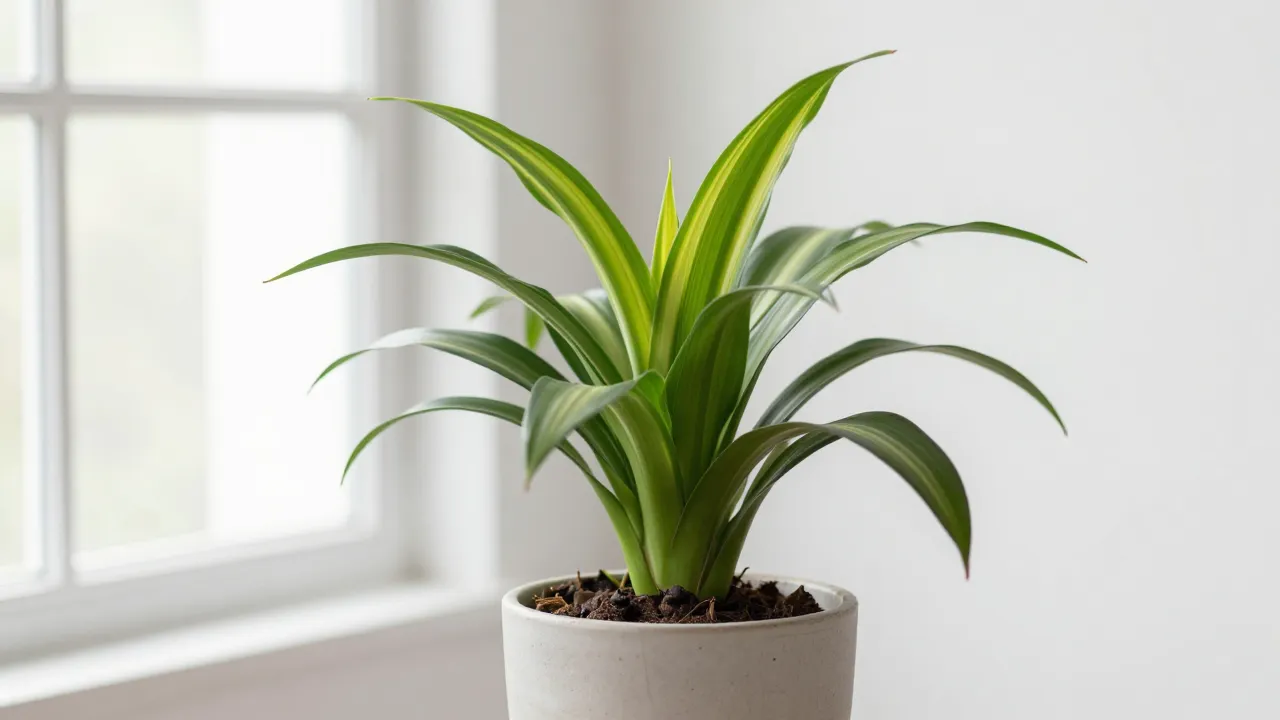
The corn plant, scientifically known as Dracaena fragrans, is one of the most popular houseplants worldwide—and for good reason. With its tall, cane-like stems and arching green leaves often streaked with yellow or cream, the corn plant adds a bold, tropical touch to any indoor space. Even better, it’s low-maintenance, resilient, and forgiving, making it an excellent choice for beginners and busy plant owners alike.
In this comprehensive guide, you’ll learn how to grow and care for a corn plant, including ideal growing conditions, watering and fertilizing schedules, pruning tips, propagation methods, and how to fix common problems. Whether you’re caring for your first corn plant or looking to improve its growth, this guide has you covered.
Table of Contents
Understanding the Corn Plant
Despite its name, the corn plant has nothing to do with edible corn. The nickname comes from its thick, woody stem, which resembles a corn stalk. Native to tropical regions of Africa, Dracaena fragrans thrives in warm, stable environments—making it perfectly suited for indoor living.
Corn plants are known for:
- Long, glossy, sword-shaped leaves
- Slow to moderate growth
- Excellent tolerance for low light
- Air-purifying qualities
Popular varieties include:
- Dracaena fragrans ‘Massangeana’ – green leaves with a yellow center stripe
- Dracaena ‘Janet Craig’ – deep green leaves, very hardy
- Dracaena ‘Lindenii’ – green leaves with creamy white edges
Understanding the plant’s natural habitat helps explain why it prefers indirect light, consistent moisture, and well-draining soil.
Ideal Growing Conditions for Corn Plant
Creating the right environment is key to keeping your corn plant healthy and vibrant. While it’s adaptable, optimal conditions will encourage better growth and fuller foliage.
A. Light Requirements
Corn plants prefer bright, indirect light, but they are famously tolerant of lower light conditions.
Best lighting conditions:
- Bright, filtered light near a window
- East- or north-facing windows are ideal
- Can survive in low light, though growth will slow
Avoid:
- Direct sunlight, which can scorch the leaves
- Dark corners with no natural light for extended periods
If your corn plant’s leaves lose their vibrant striping or growth becomes leggy, it may be a sign it needs more light.
B. Temperature & Humidity
Since corn plants are tropical, they thrive in warm, stable temperatures.
Ideal temperature range:
- 65°F to 80°F (18°C–27°C)
Humidity preferences:
- Moderate to average household humidity
- Appreciates higher humidity but adapts well indoors
Tips:
- Keep away from cold drafts, air conditioners, and heaters
- Mist occasionally or use a pebble tray if air is very dry
Sudden temperature drops can cause leaf drop or browning.
Planting and Potting the Corn Plant
Choosing the right pot and soil is essential for long-term corn plant care.
Soil requirements:
- Well-draining potting mix
- A standard indoor potting soil with added perlite works well
Pot selection:

- Use a pot with drainage holes
- Choose a pot only 1–2 inches larger than the root ball
Repotting tips:
- Repot every 2–3 years or when roots become crowded
- Best done in spring or early summer
- Avoid over-potting, which can lead to waterlogged soil
After repotting, water thoroughly and place the plant in indirect light to reduce stress.
Watering Guidelines for Corn Plant
One of the most common mistakes in corn plant care is overwatering. Corn plants prefer evenly moist soil but are sensitive to excess water.
How often to water:
- Water when the top 1–2 inches of soil feel dry
- Typically every 7–10 days, depending on environment
Watering tips:
- Use room-temperature water
- Water thoroughly, allowing excess to drain out
- Never let the plant sit in standing water
Important note on water quality:
Corn plants are sensitive to fluoride and chlorine, which can cause brown leaf tips. If possible:
- Use distilled or rainwater
- Let tap water sit overnight before use
Signs of overwatering include yellowing leaves and soft stems, while underwatering causes dry, drooping leaves.
Fertilizing the Corn Plant
While corn plants aren’t heavy feeders, occasional fertilizing helps maintain healthy growth and rich foliage color.
Best fertilizer:
- Balanced liquid houseplant fertilizer (10-10-10 or similar)
Fertilizing schedule:
- Once a month during spring and summer
- Do not fertilize in fall or winter
Application tips:
- Always dilute fertilizer to half strength
- Apply to damp soil to avoid root burn
Over-fertilizing can lead to salt buildup, causing leaf tip browning and root damage.
Pruning and Maintenance
Regular pruning keeps your corn plant looking neat and encourages bushier growth.
Why prune:
- Remove yellow, brown, or damaged leaves
- Control height if the plant becomes too tall
- Encourage new shoots from the stem
How to prune:
- Use clean, sharp pruning shears
- Cut canes at desired height—new growth will emerge below the cut
- Trim leaf tips if only the edges are brown
Maintenance tips:
- Wipe leaves with a damp cloth to remove dust
- Rotate the plant occasionally for even growth
Pruning is best done during the growing season when the plant can recover quickly.
Common Problems and Solutions
Even hardy plants like corn plants can encounter issues. The good news? Most problems are easy to fix once identified.
A. Pests
Common pests include:
- Spider mites – fine webbing, speckled leaves
- Mealybugs – white, cottony clusters
- Scale insects – brown bumps on stems and leaves
Solutions:
- Isolate the affected plant
- Wipe pests off with a cotton swab dipped in rubbing alcohol
- Use neem oil or insecticidal soap weekly until pests are gone
Regular inspection helps catch infestations early.
B. Diseases & Issues
Brown leaf tips
- Caused by fluoride, low humidity, or salt buildup
- Switch water source and increase humidity
Yellow leaves
- Often due to overwatering or poor drainage
- Check soil moisture and drainage holes
Soft or rotting stems
- Sign of root rot
- Reduce watering and repot in fresh, dry soil if necessary
Most corn plant problems stem from watering or environmental stress.
Propagating Corn Plant
Propagating a corn plant is surprisingly easy and a great way to create new plants.
Propagation methods:
- Stem cuttings (most common)
Steps to propagate:
- Cut a healthy cane into 6–8 inch sections
- Let the cut end dry for a few hours
- Place in water or moist potting mix
- Keep in warm, indirect light
Roots typically form within a few weeks. Once established, transfer to soil if started in water.
Benefits of Growing Corn Plant
Beyond its beauty, the corn plant offers several benefits:
- Low maintenance – ideal for beginners
- Improves indoor aesthetics with its bold foliage
- Air-purifying qualities, helping remove indoor toxins
- Long lifespan when properly cared for
- Adaptable to various indoor lighting conditions
Its combination of resilience and elegance makes it a staple in homes and offices.
Conclusion
Learning how to grow and care for a corn plant is refreshingly simple. With proper light, moderate watering, occasional feeding, and basic maintenance, this hardy houseplant can thrive for years. Its ability to adapt to indoor conditions, tolerate minor care mistakes, and enhance any space makes it one of the best houseplants you can grow.
Whether you’re decorating your living room, office, or bedroom, the corn plant offers beauty, durability, and a touch of nature with minimal effort. Treat it well, and it will reward you with lush, healthy growth for years to come