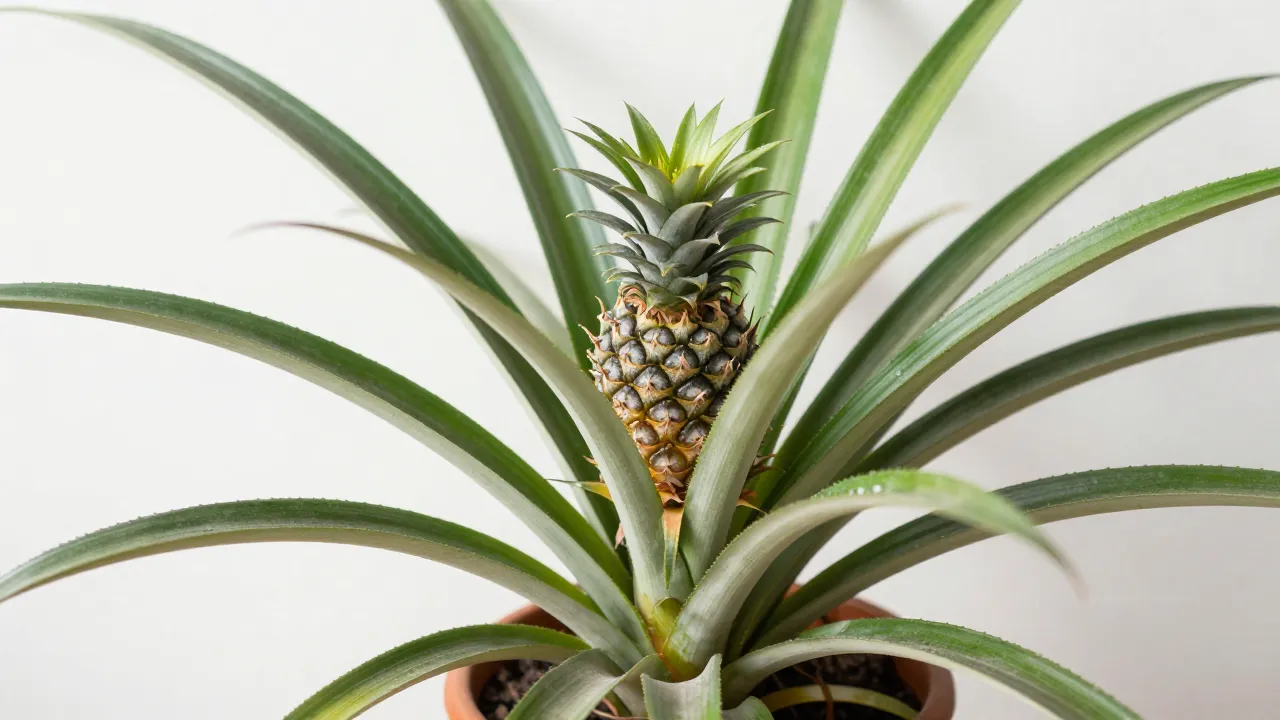
Growing a pineapple plant at home might sound exotic, but it’s surprisingly achievable—and deeply rewarding. With its spiky green leaves, tropical vibe, and the potential to produce an actual pineapple fruit, this plant is both ornamental and productive. Whether you’re growing it indoors as a houseplant or outdoors in a warm climate, understanding proper pineapple plant care is the key to success.
In this comprehensive guide, you’ll learn everything you need to know about how to grow and care for a pineapple plant, from ideal growing conditions to watering, fertilizing, propagation, and troubleshooting common problems.
Table of Contents
Understanding the Pineapple Plant
The pineapple plant (Ananas comosus) is a tropical perennial belonging to the bromeliad family. Unlike trees or vines, pineapples grow as low, rosette-form plants with long, sword-shaped leaves that emerge from a central core.
One of the most fascinating aspects of pineapple plants is their growth cycle. A single plant produces only one fruit during its lifetime, which develops from the center after the plant matures. This process can take anywhere from 18 to 36 months, depending on growing conditions.
Pineapple plants are:
- Slow-growing but long-lived
- Drought-tolerant once established
- Well-suited for containers
- Ideal for warm, sunny environments
Even if your plant never produces fruit, it remains an attractive and low-maintenance tropical houseplant.
Ideal Growing Conditions
Providing the right environment is essential for healthy growth and eventual fruiting. Pineapple plants thrive when their native tropical conditions are closely replicated.
A. Light Requirements
Light is one of the most critical factors in pineapple plant care.
- Pineapple plants need bright, direct sunlight for at least 6–8 hours per day
- Outdoors, place them in full sun
- Indoors, position the plant near a south- or west-facing window
- Insufficient light can result in slow growth, pale leaves, and no fruit production
If natural light is limited, consider using a grow light to supplement sunlight, especially during winter months.
B. Temperature & Humidity
As a tropical plant, pineapple thrives in warm and moderately humid conditions.
Ideal temperature range:
- Daytime: 65–85°F (18–29°C)
- Nighttime: Above 55°F (13°C)
Pineapple plants are sensitive to cold and should be protected from frost at all costs.
Humidity needs:
- Moderate humidity is sufficient
- Indoors, normal household humidity usually works
- In very dry climates, occasional misting can help prevent leaf browning
Avoid placing the plant near cold drafts, air conditioners, or heating vents.
Planting and Potting
Pineapple plants are most commonly grown in containers, making them perfect for patios, balconies, and indoor spaces.
Choosing the Right Pot
- Use a pot with drainage holes
- A 10–14 inch pot is ideal for mature plants
- Terracotta or clay pots help prevent excess moisture retention
Best Soil for Pineapple Plants
Pineapple plants prefer light, well-draining soil.
Recommended soil mix:
- 2 parts potting soil
- 1 part perlite or coarse sand
- Optional: orchid bark or coco coir for added aeration
Avoid heavy garden soil, as it retains too much moisture and can lead to root rot.
How to Plant
- Place the plant so the base of the leaves sits just above the soil line
- Firm the soil gently around the roots
- Water lightly after planting to help settle the soil
Watering Guidelines
Proper watering is essential but often misunderstood when it comes to pineapple plant care.

How Often to Water a Pineapple Plant
- Water when the top 1–2 inches of soil feel dry
- Typically once every 7–10 days, depending on climate and season
- Reduce watering in winter when growth slows
Pineapple plants are drought-tolerant but highly sensitive to overwatering.
Best Watering Practices
- Always use well-draining soil
- Empty excess water from saucers
- Water at the base of the plant rather than soaking the leaves
- Avoid letting the plant sit in standing water
Overwatering is the most common cause of pineapple plant problems, leading to yellow leaves and root rot.
Fertilizing the Pineapple Plant
Fertilizing helps support steady growth and encourages fruit production.
Best Fertilizer for Pineapple Plants
- Use a balanced liquid fertilizer (e.g., 10-10-10 or 20-20-20)
- Organic options like compost tea or fish emulsion also work well
Fertilizing Schedule
- Feed every 4–6 weeks during spring and summer
- Reduce or stop fertilizing in fall and winter
- Avoid over-fertilizing, which can cause excessive leaf growth and delay fruiting
For mature plants, fertilizers slightly higher in potassium can help support flowering and fruit development.
Pruning and Maintenance
Pineapple plants require minimal pruning, but regular maintenance keeps them healthy and attractive.
Pruning Tips
- Remove dead, yellow, or damaged leaves at the base
- Use clean, sharp scissors or pruning shears
- Avoid cutting healthy green leaves unnecessarily
General Maintenance
- Rotate indoor plants every few weeks for even light exposure
- Wipe leaves occasionally to remove dust
- Check regularly for pests or signs of stress
Healthy plants have firm, upright leaves with vibrant green color.
Common Problems and Solutions
Even with proper care, pineapple plants can face occasional issues.
A. Pests
Common pineapple plant pests include:
- Mealybugs
- Scale insects
- Spider mites
Solutions:
- Wipe leaves with a cotton swab dipped in rubbing alcohol
- Use neem oil or insecticidal soap
- Isolate affected plants to prevent spread
B. Diseases & Issues
Yellowing leaves
- Often caused by overwatering or poor drainage
Brown leaf tips
- Low humidity or underwatering
Root rot
- Caused by soggy soil and lack of drainage
No fruit production
- Insufficient light
- Plant too young
- Excessive nitrogen fertilizer
Early detection and adjustments usually resolve most issues quickly.
Propagating Pineapple Plant
One of the most exciting aspects of growing pineapples is propagation.
How Pineapple Plants Propagate
Pineapple plants can be propagated from:
- The crown (top of a pineapple fruit)
- Slips (small shoots below the fruit)
- Suckers (shoots growing from the base)
Propagation from the Crown
- Twist off the leafy crown from a ripe pineapple
- Remove lower leaves to expose the stem
- Let it dry for 1–2 days
- Plant in well-draining soil
- Water lightly and place in bright light
Roots typically develop within a few weeks, making this a fun and beginner-friendly propagation method.
Benefits of Growing Pineapple Plant
Growing a pineapple plant offers more than just fruit.
Key Benefits
- Adds a tropical, decorative element to your space
- Low-maintenance and drought-tolerant
- Educational and rewarding growing experience
- Can produce edible fruit under the right conditions
- Helps improve indoor air quality
Even without fruit, pineapple plants are striking ornamental plants that enhance any home or garden.
Conclusion
Learning how to grow and care for a pineapple plant is a journey that combines patience, proper care, and a touch of tropical flair. By providing adequate sunlight, well-draining soil, careful watering, and occasional feeding, you can enjoy a healthy and visually stunning plant for years.
Whether your goal is to harvest a homegrown pineapple or simply enjoy the bold foliage of this unique plant, pineapple plant care is surprisingly straightforward. With consistent attention and the right environment, your pineapple plant can thrive—and maybe even reward you with fruit.