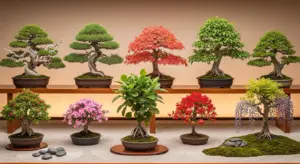
Bonsai trees are often celebrated for their beauty, balance, and symbolism — but did you know some bonsai can actually produce real, edible fruits? That’s right! These miniature trees not only captivate the eye but also reward you with tiny, delicious harvests.
Whether it’s a dwarf apple, a citrus bonsai, or even a miniature pomegranate, the world of bonsai fruit trees combines artistry and nature’s bounty in perfect harmony. In this guide, we’ll explore 10+ beautiful bonsai fruit plants that actually bear fruits — along with care tips, fun facts, and the secrets behind growing them successfully.
Table of Contents
Why Choose Bonsai Fruit Trees?
Fruit bonsai trees aren’t just ornamental. They bring a unique blend of beauty, aroma, and taste into your home or garden. These trees are genetically identical to full-sized fruit trees — the only difference is that they are pruned, wired, and potted to stay small.
Key Benefits of Bonsai Fruit Plants:
- Edible Fruits: Many species produce miniature yet perfectly edible fruits.
- Decorative Appeal: Blossoms, foliage, and fruit add color and charm all year long.
- Fragrance: Citrus and fig bonsai release refreshing natural aromas indoors.
- Compact Size: Perfect for small homes, apartments, or patios.
- Emotional Reward: There’s something deeply satisfying about eating fruit from a tree you nurtured yourself.
According to a 2024 gardening trends report, interest in fruit bonsai plants rose by over 65%, especially among urban gardeners seeking edible greenery for limited spaces.
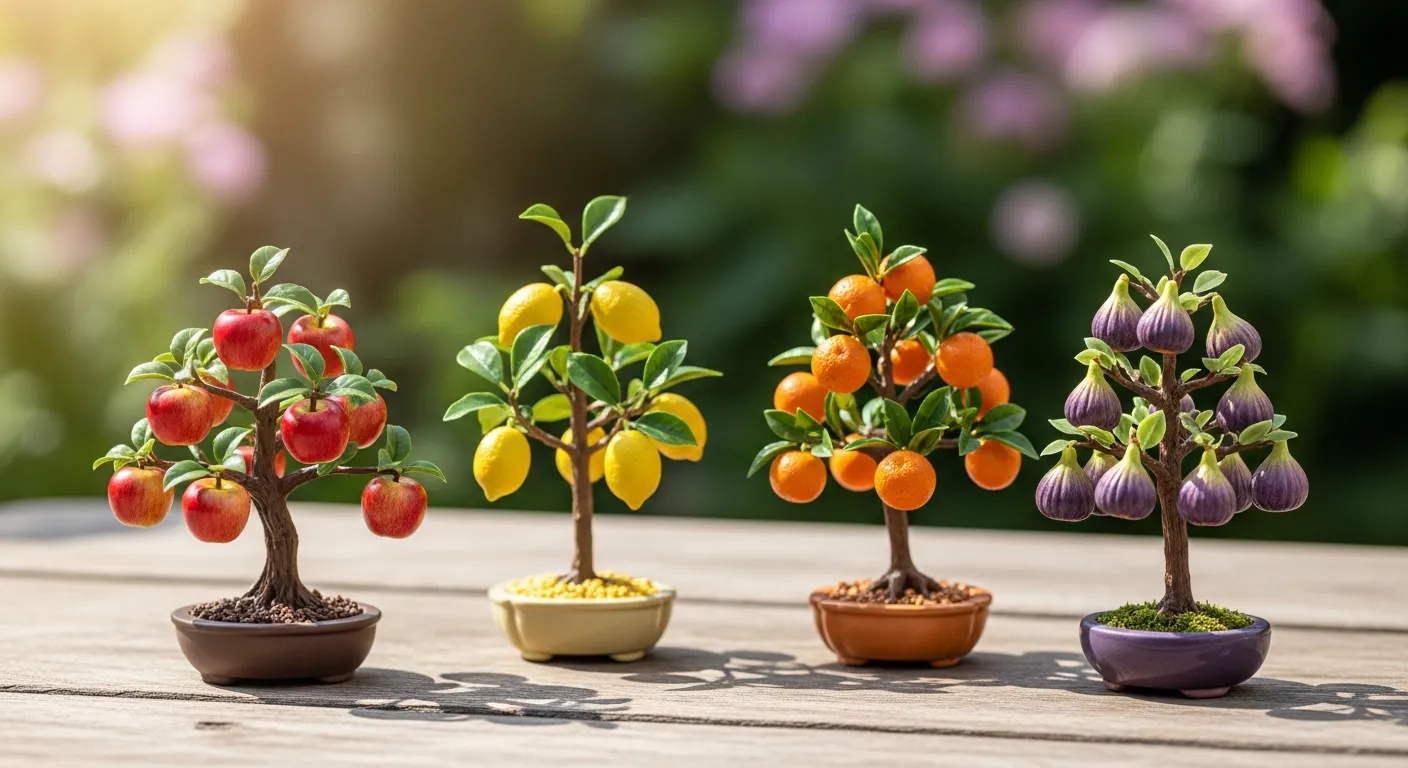
1. Apple Bonsai Tree (Malus domestica)
Among all bonsai fruit trees, the apple bonsai is one of the most charming. In spring, it bursts with pinkish-white blossoms, followed by small, real apples in autumn. The fruits are edible and taste just like their full-sized counterparts.
- Bloom Season: Spring
- Fruit Ripens: Late summer to fall
- Light Needs: Full sun
- Care Tip: Prune after fruiting to maintain a balanced canopy.
Fun Fact: Some apple bonsai can produce fruits as small as 2–3 cm, making them adorable and perfect for display.
2. Orange Bonsai Tree (Citrus sinensis)
The orange bonsai is a favorite among citrus lovers. It produces fragrant white blossoms followed by miniature oranges that are both aromatic and edible.
- Best Variety: Calamondin or Dwarf Valencia
- Bloom Season: Spring
- Ideal Temperature: 20–30°C (68–86°F)
- Light Needs: At least 6 hours of direct sunlight
Among all fruit bonsai plants, citrus varieties are the most rewarding because they combine color, fragrance, and taste beautifully.
3. Lemon Bonsai Tree (Citrus limon)
The lemon bonsai tree is one of the most popular beautiful bonsai fruit plants worldwide. Its glossy leaves, white blossoms, and bright yellow fruits create a visually striking contrast.
- Bloom Season: Year-round in warm climates
- Best Varieties: Meyer Lemon, Dwarf Ponderosa
- Fragrance: Strong and refreshing
- Bonus: Produces lemons suitable for cooking or drinks
According to horticultural studies, lemon bonsai kept in bright indoor spaces can bear fruit up to twice a year with proper care.
4. Cherry Bonsai Tree (Prunus avium)
The cherry bonsai tree is admired not only for its stunning spring blossoms but also for its sweet, tiny cherries that ripen in early summer.
- Bloom Season: Spring
- Fruit Ripens: Early summer
- Ideal Temperature: Cool climates preferred
- Symbolism: Love, joy, and renewal
The combination of pink blooms and glossy red fruit makes this one of the most breathtaking bonsai fruit trees in existence.
5. Peach Bonsai Tree (Prunus persica)
The peach bonsai brings a touch of romance to any space with its soft pink flowers and velvety fruits. It’s a symbol of immortality and prosperity in Chinese culture.
- Bloom Season: Late winter to early spring
- Fruit Ripens: Summer
- Light Needs: Full sunlight
- Care Tip: Needs cold dormancy during winter
Though small in size, the peaches are completely edible — sweet and juicy, just like their orchard-grown counterparts.
6. Strawberry Bonsai Plant (Fragaria × ananassa)
The strawberry bonsai isn’t a tree but a fruiting plant perfectly suited for bonsai-style cultivation. It grows compactly, bears lovely white flowers, and produces bright red berries.
- Fruit Season: Spring through summer
- Light Needs: 5–6 hours of sunlight daily
- Bonus: Delicious fruits that children love!
This easy-to-grow option is great for beginners looking to start with fruit bonsai plants.
7. Grape Bonsai (Vitis vinifera)
Yes — even grapevines can be trained into bonsai! The grape bonsai produces small clusters of grapes, making it one of the most visually and symbolically rich fruit bonsai trees.
- Bloom Season: Early summer
- Fruit Ripens: Late summer to autumn
- Training Style: Cascade or semi-cascade
- Symbolism: Abundance and celebration
In Japan, grape bonsai symbolize prosperity and longevity. With careful pruning, you can create a miniature vineyard in a pot!
8. Fig Bonsai Tree (Ficus carica)
The fig bonsai tree is a strong, forgiving plant that bears sweet, soft fruits. With its thick trunk and large leaves, it adds a bold presence to any bonsai collection.
- Bloom Season: Summer
- Fruit Ripens: Late summer
- Light Needs: Full to partial sun
- Soil Type: Well-draining
Figs symbolize fertility and wisdom. Among beautiful bonsai fruit plants, this one is a classic — ideal for both aesthetic and edible appeal.
9. Pomegranate Bonsai (Punica granatum)
The pomegranate bonsai stands out for its fiery orange-red flowers and ornamental fruits. It’s among the most ancient fruit bonsai trees, cultivated for centuries in Asia and the Mediterranean.
- Bloom Season: Summer
- Fruit Ripens: Fall
- Ideal For: Warm, sunny climates
- Symbolism: Fertility, wealth, and life
Even when not fruiting, its blossoms and twisted bark make it a year-round showpiece.
10. Guava Bonsai Tree (Psidium guajava)
The guava bonsai tree is gaining popularity among tropical bonsai enthusiasts. It features smooth, light-colored bark, small white flowers, and round edible fruits that emit a fresh, sweet fragrance.
- Bloom Season: Late spring
- Fruit Ripens: Summer
- Care Level: Moderate; prefers high humidity
- Bonus: Fruit rich in vitamin C and antioxidants
It’s one of the healthiest and most rewarding fruit bonsai plants to grow in tropical or subtropical areas.
11. Kumquat Bonsai (Fortunella japonica)
The kumquat bonsai is one of the few bonsai fruit trees that can thrive indoors year-round. Its small oval fruits are both tart and sweet, perfect for snacking or garnishing dishes.
- Bloom Season: Spring
- Fruit Ripens: Winter
- Height: Typically under 2 feet
- Fragrance: Fresh citrus scent
A single kumquat bonsai can yield dozens of fruits annually if provided ample sunlight and regular feeding.
12. Blueberry Bonsai (Vaccinium corymbosum)
A lesser-known gem among beautiful bonsai fruit plants, the blueberry bonsai produces dainty white bell-shaped flowers in spring, followed by edible blue berries.
- Bloom Season: Spring
- Fruit Ripens: Summer
- Soil Needs: Acidic soil with good drainage
- Bonus: Attracts birds and pollinators
The contrast between its lush green leaves and vibrant berries makes it a visual and culinary delight.
How to Care for Fruit Bonsai Trees
Growing fruit bonsai plants requires a mix of patience and precision. While similar to ornamental bonsai care, fruit-bearing species need extra nutrients and sunlight for healthy flowering and fruiting.
Essential Care Tips:
- Sunlight: At least 5–6 hours daily; fruiting species love the sun.
- Watering: Keep soil moist but not soggy. Fruiting trees consume more water.
- Fertilization: Use a balanced NPK fertilizer (10-10-10) with extra phosphorus for blooming.
- Pruning: Trim after fruiting season to shape branches and encourage new buds.
- Pollination: Some bonsai require hand-pollination indoors using a soft brush.
- Repotting: Every 2–3 years to replenish nutrients and manage roots.
According to a study in the Journal of Horticultural Science, consistent pruning and nutrient management can increase fruit yield in small trees by up to 30%.
Bonsai Fruit Tree Quick Comparison
| Tree | Fruit Color | Edible? | Ideal Climate | Difficulty |
|---|---|---|---|---|
| Apple | Red/Green | ✅ | Temperate | Moderate |
| Orange | Orange | ✅ | Warm | Easy |
| Lemon | Yellow | ✅ | Warm | Easy |
| Cherry | Red | ✅ | Cool | Moderate |
| Peach | Pink/Orange | ✅ | Mild | Moderate |
| Strawberry | Red | ✅ | Mild | Easy |
| Grape | Purple/Green | ✅ | Warm | Advanced |
| Fig | Brown/Purple | ✅ | Warm | Easy |
| Pomegranate | Red | ✅ | Warm | Moderate |
| Guava | Green/Yellow | ✅ | Tropical | Moderate |
| Kumquat | Orange | ✅ | Warm | Easy |
| Blueberry | Blue | ✅ | Cool | Moderate |
Indoor vs. Outdoor Fruit Bonsai Trees
Not all fruit bonsai trees thrive indoors. Understanding which ones suit your environment helps ensure long-term success.
- Best Indoor Options: Lemon, Kumquat, Fig, and Fukien Tea (occasionally fruits).
- Best Outdoor Options: Apple, Cherry, Peach, Pomegranate, and Grape.
Indoor bonsai need grow lights and controlled humidity, while outdoor ones benefit from natural seasonal cycles.
Tips to Encourage More Fruiting
If your fruit bonsai plants aren’t bearing as many fruits as expected, consider these expert tricks:
- Increase sunlight exposure — fruit trees thrive in direct light.
- Use high-phosphorus fertilizers before blooming season.
- Avoid over-pruning — too few leaves limit energy for fruit production.
- Maintain stable temperatures — sudden drops can prevent fruiting.
- Repot strategically — don’t disturb roots during blooming season.
Patience is key. Most fruit bonsai trees take 2–3 years before producing consistent harvests.
The Symbolism of Fruit Bonsai Trees
In Asian cultures, fruit bonsai plants carry deep meanings:
- Pomegranate: Fertility and abundance
- Lemon/Orange: Prosperity and purity
- Peach: Longevity
- Apple: Peace and happiness
- Fig: Knowledge and enlightenment
Beyond aesthetics, these trees represent growth, reward, and the cyclical nature of life — values deeply rooted in bonsai philosophy.
Data Snapshot: Why Fruit Bonsai Are So Popular
| Metric | Statistic |
|---|---|
| Average indoor bonsai fruit yield | 5–15 fruits per tree/year |
| Search growth for “fruit bonsai trees” (2023–2024) | +65% |
| Average lifespan of a fruit bonsai | 50–100 years |
| Most popular fruit species | Lemon, Pomegranate, Fig, Apple |
Final Thoughts
Bonsai fruit trees are a testament to nature’s adaptability and artistry. They blur the line between horticulture and sculpture — and reward you with beauty and taste.
From the citrusy charm of lemons and oranges to the delicate sweetness of cherries and figs, these beautiful bonsai fruit plants bring joy to every season. They symbolize patience, balance, and the fulfillment that comes from nurturing life in its smallest yet most meaningful form.
So, if you’ve ever dreamed of having your own orchard but lack space — start small. Grow a bonsai fruit tree, and you’ll have a piece of nature’s perfection right at your fingertips