Rosemary is a fragrant, evergreen herb prized for its culinary flavor, medicinal benefits, and ornamental beauty. With its needle-like leaves and woody stems, rosemary is both attractive and highly functional—perfect for gardens, balconies, and even sunny indoor spaces. Although it’s known as a Mediterranean herb, rosemary is surprisingly easy to grow when given the right conditions.
In this comprehensive guide, you’ll learn how to grow and care for a rosemary plant, including planting, watering, pruning, propagation, and solving common problems—whether you’re growing it indoors or outdoors.
Table of Contents
What Is a Rosemary Plant?
Rosemary (Salvia rosmarinus, formerly Rosmarinus officinalis) is a perennial herb belonging to the mint family (Lamiaceae). Native to the Mediterranean region, it thrives in warm, sunny, and dry conditions.
Rosemary is widely used in cooking, aromatherapy, herbal remedies, and landscaping. When grown properly, it can live for many years and develop into a woody shrub.
Key characteristics:
- Evergreen perennial herb
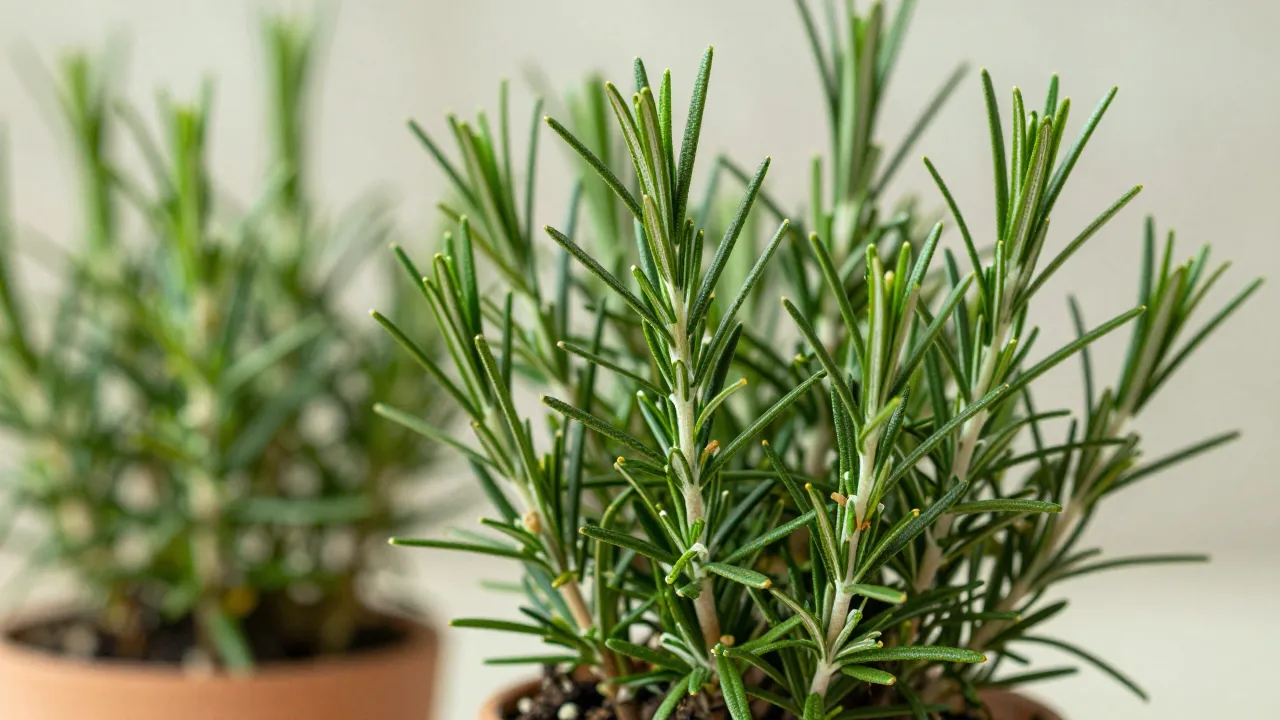
- Needle-like, aromatic leaves
- Woody stems with blue, purple, or white flowers
- Drought-tolerant once established
Types of Rosemary Plants
There are several rosemary varieties, each suited for different purposes:
- Upright Rosemary – Ideal for gardens and hedges (e.g., ‘Tuscan Blue’, ‘Miss Jessopp’s Upright’)
- Trailing (Prostrate) Rosemary – Great for hanging baskets and ground cover
- Arp Rosemary – Cold-hardy variety suitable for cooler climates
- Golden Rosemary – Decorative leaves with yellow edges
- Blue Boy Rosemary – Compact variety perfect for containers
All types share similar care needs, but growth habits and cold tolerance may vary.
Ideal Growing Conditions for Rosemary
a. Light Requirements
Rosemary thrives in full sun.
- Needs 6–8 hours of direct sunlight daily
- Best placed near a south-facing window (indoors)
- Low light leads to weak, leggy growth and poor flavor
Pro tip: Outdoor rosemary grown in full sun develops stronger aroma and better taste.
b. Temperature and Climate
Rosemary prefers warm, dry climates similar to its Mediterranean origins.
- Ideal temperature: 65–80°F (18–27°C)
- Can tolerate heat well
- Cold tolerance varies by variety
- Protect from frost and freezing temperatures
In colder regions, rosemary is often grown in containers and moved indoors during winter.
How to Plant Rosemary
Rosemary can be grown from seeds, cuttings, or nursery plants, though cuttings are the easiest and fastest method.
Planting Steps:
- Choose a sunny location
- Use well-draining soil
- Dig a hole slightly larger than the root ball
- Place the plant and backfill gently
- Water lightly after planting
Spacing:
Plant rosemary 18–24 inches apart to allow airflow and growth.
Watering Rosemary the Right Way
Rosemary prefers drier soil and is highly sensitive to overwatering.
Watering guidelines:
- Water only when the top 2–3 inches of soil are dry
- Water deeply but infrequently
- Avoid letting roots sit in soggy soil
Signs of overwatering:
- Yellowing leaves
- Root rot
- Wilting despite moist soil
Signs of underwatering:
- Dry, brittle leaves
- Slow growth
Once established, rosemary is drought-tolerant.
Best Soil and Pot for Rosemary
Good drainage is critical for rosemary’s health.
Best Soil:
- Sandy or loamy soil
- Slightly alkaline pH (6.5–7.5)
- Mix potting soil with sand or perlite for containers
Best Pot:
- Clay or terracotta pots (allow moisture evaporation)
- Must have drainage holes
- Avoid oversized pots that retain excess moisture
Fertilizing Rosemary Plants
Rosemary is a light feeder and does not require frequent fertilization.
- Use a balanced or low-nitrogen fertilizer
- Fertilize once every 6–8 weeks during spring and summer
- Avoid over-fertilizing—it reduces flavor and aroma
Organic options like compost or diluted fish emulsion work well.
Pruning and Harvesting Rosemary
Regular pruning keeps rosemary healthy and encourages bushy growth.
How to Prune:
- Prune after flowering or during active growth
- Cut no more than one-third of the plant at a time
- Avoid cutting into woody, old stems
Harvesting Tips:
- Harvest young, tender shoots for best flavor
- Morning harvest offers strongest aroma
- Can be harvested year-round in warm climates
Growing Rosemary Indoors vs Outdoors
Growing Rosemary Indoors:
- Requires bright, direct sunlight
- Place near a sunny window or grow light
- Ensure excellent air circulation
- Water sparingly
Growing Rosemary Outdoors:
- Thrives in garden beds or containers
- Needs full sun and well-draining soil
- More vigorous growth and stronger flavor
Outdoor rosemary generally performs better if climate allows.
Common Rosemary Problems and Solutions
| Problem | Cause | Solution |
|---|---|---|
| Yellow leaves | Overwatering | Improve drainage, water less |
| Powdery mildew | Poor air circulation | Increase airflow, reduce humidity |
| Root rot | Waterlogged soil | Repot with fresh, dry soil |
| Leggy growth | Insufficient light | Move to sunnier location |
| Pests (aphids, spider mites) | Stress or poor airflow | Rinse leaves, use neem oil |
How to Propagate Rosemary
Propagation is best done through cuttings.
Rosemary Propagation Steps:
- Cut a 4–6 inch healthy stem
- Remove leaves from the lower half
- Place in water or moist soil
- Keep warm with indirect light
- Roots develop in 2–4 weeks
Once rooted, transplant into well-draining soil.
Benefits and Uses of Rosemary
Rosemary offers both practical and health-related benefits.
Benefits:
- Enhances memory and focus
- Repels pests naturally
- Improves indoor air quality
- Drought-tolerant and low maintenance
Uses:
- Culinary herb for meats, vegetables, and oils
- Herbal teas and infusions
- Aromatherapy and essential oils
- Decorative garden plant
Conclusion
Rosemary is a versatile, aromatic herb that rewards gardeners with beauty, flavor, and long-lasting growth. By providing plenty of sunlight, excellent drainage, and careful watering, you can grow healthy rosemary plants both indoors and outdoors.
Whether you’re cultivating it for cooking, fragrance, or ornamental value, rosemary is a timeless herb worth growing.