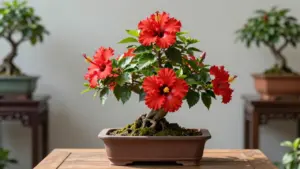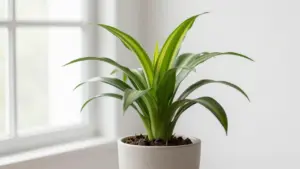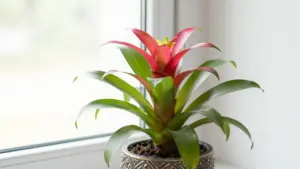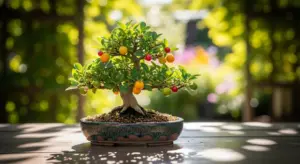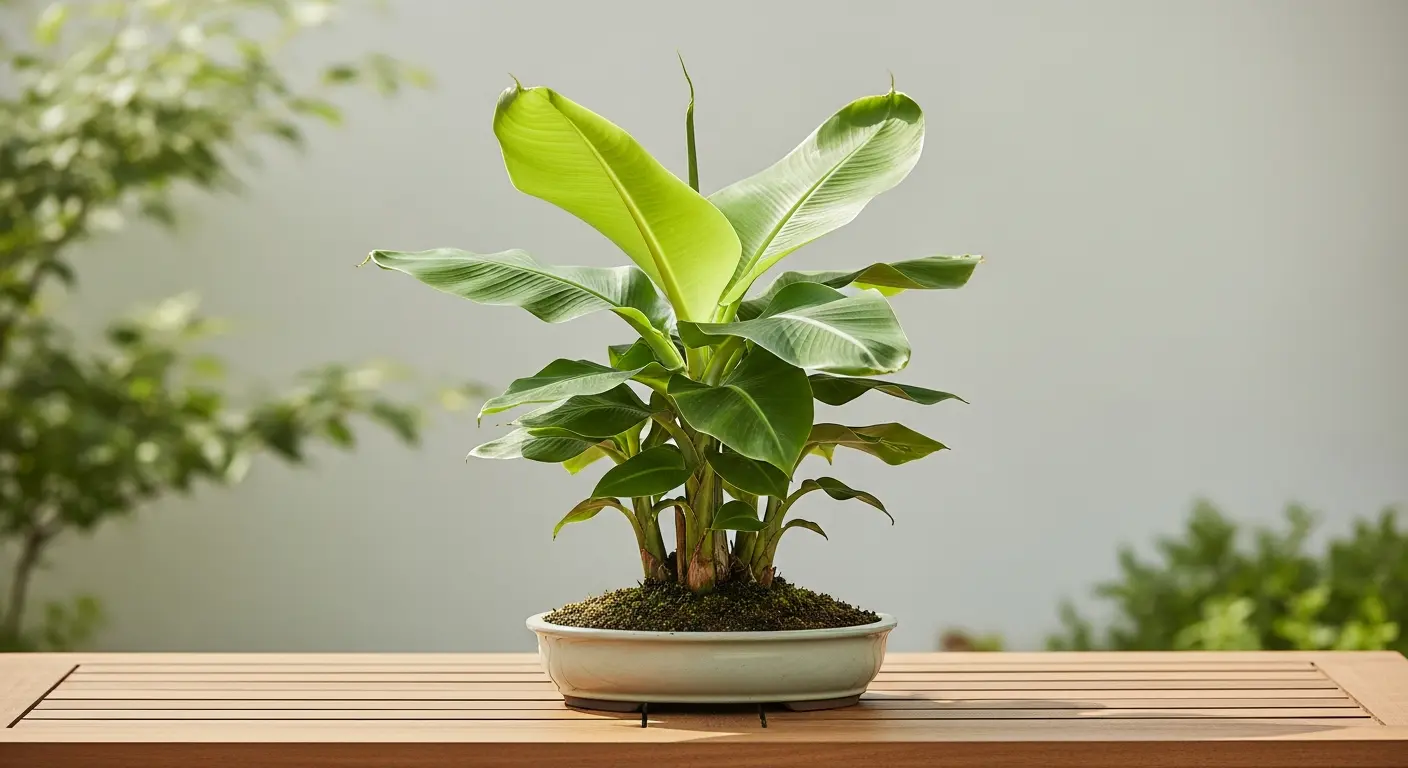
A bonsai banana tree is a compact, container-grown banana plant trained to remain small while maintaining its bold, tropical appearance. Unlike traditional woody bonsai trees, banana plants are herbaceous, but they respond well to pot restriction, leaf pruning, and controlled feeding. Their broad green leaves make them an attractive choice for balconies, patios, and indoor spaces.
With proper techniques, growing a banana bonsai plant at home is both simple and rewarding. This guide explains how to grow a banana tree from seeds or corms and provides complete care instructions to keep the plant healthy and compact.
Table of Contents
How to Grow Banana Tree at Home From Seeds
Growing a banana tree from seeds at home is mainly suitable for ornamental or wild banana varieties. Most commercially grown edible bananas do not produce fertile seeds.
Steps to Grow Banana Plant From Seeds
- Use fresh and viable banana seeds.
- Soak the seeds in warm water for 24–48 hours.
- Prepare a loose, well-draining soil mix using coco peat, sand, and compost.
- Plant seeds about ½ inch deep.
- Keep the soil slightly moist at all times.
- Maintain warm temperatures between 25–30°C (77–86°F).
Seed germination may take 2 to 8 weeks. Once seedlings appear, they grow quickly under warm and humid conditions. Seed-grown banana plants are best used for ornamental bonsai rather than fruit production.
How to Grow Banana Plant at Home From Corm
Propagation from a banana corm (rhizome) is the fastest and most reliable method.
Steps to Grow Banana Tree From Corm
- Select a healthy banana corm with visible growing points.
- Choose a shallow, wide container with good drainage.
- Plant the corm so the top portion remains slightly above the soil surface.
- Water thoroughly after planting.
- Place the pot in a bright, warm location.
Corm-grown banana plants establish quickly and are easier to manage when growing a bonsai banana tree in containers.
Care Tips for Bonsai Banana Tree
Sunlight
A bonsai banana tree needs bright light to grow strong, healthy leaves.
- Requires 6–8 hours of bright, indirect sunlight
- Indoor plants perform well near south- or east-facing windows
- Outdoor plants benefit from morning sun and light afternoon shade
Low light conditions slow growth and reduce leaf size.
Watering
Banana plants have high moisture requirements due to their large leaves.
- Water when the top layer of soil feels slightly dry
- Ensure excess water drains out easily
- Avoid letting roots sit in standing water
Consistent watering helps prevent leaf drying and stress.
Fertilizing
Because bonsai banana trees grow in limited soil, regular feeding is important.
- Apply a balanced liquid fertilizer every 2–3 weeks during the growing season
- Reduce feeding during cooler months
- Avoid overfertilization, which can cause weak growth
Proper nutrition supports healthy foliage and steady development.
Potting and Repotting
Pot size control is essential for keeping banana plants compact.
- Repot every 12–18 months
- Use a fresh, well-draining potting mix
- Trim roots lightly during repotting to control size
Shallow pots help limit growth while maintaining plant health.
Pruning Fruit Tree Bonsai
Although banana plants do not have woody branches, pruning is still necessary.
- Remove damaged or yellowing leaves
- Cut leaves close to the base using clean, sharp tools
- Limit leaf numbers to maintain balance and appearance
Pruning improves airflow and preserves the bonsai shape.
Pests and Diseases
Common pests affecting banana bonsai plants include aphids, spider mites, and mealybugs.
Prevention and care:
- Inspect leaves regularly
- Maintain proper airflow
- Avoid overwatering
- Use neem oil or mild insecticidal solutions when needed
Good growing conditions greatly reduce pest and disease issues.
Conclusion
A bonsai banana tree is an excellent choice for gardeners who want a tropical plant in a small space. With proper light, consistent watering, regular feeding, and controlled pot size, banana plants adapt well to bonsai-style cultivation.
While they are grown mainly for their striking foliage rather than fruit, bonsai banana trees add bold texture and visual appeal to both indoor and outdoor gardens. With correct care, they remain healthy, compact, and visually impressive throughout the year.