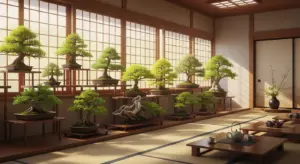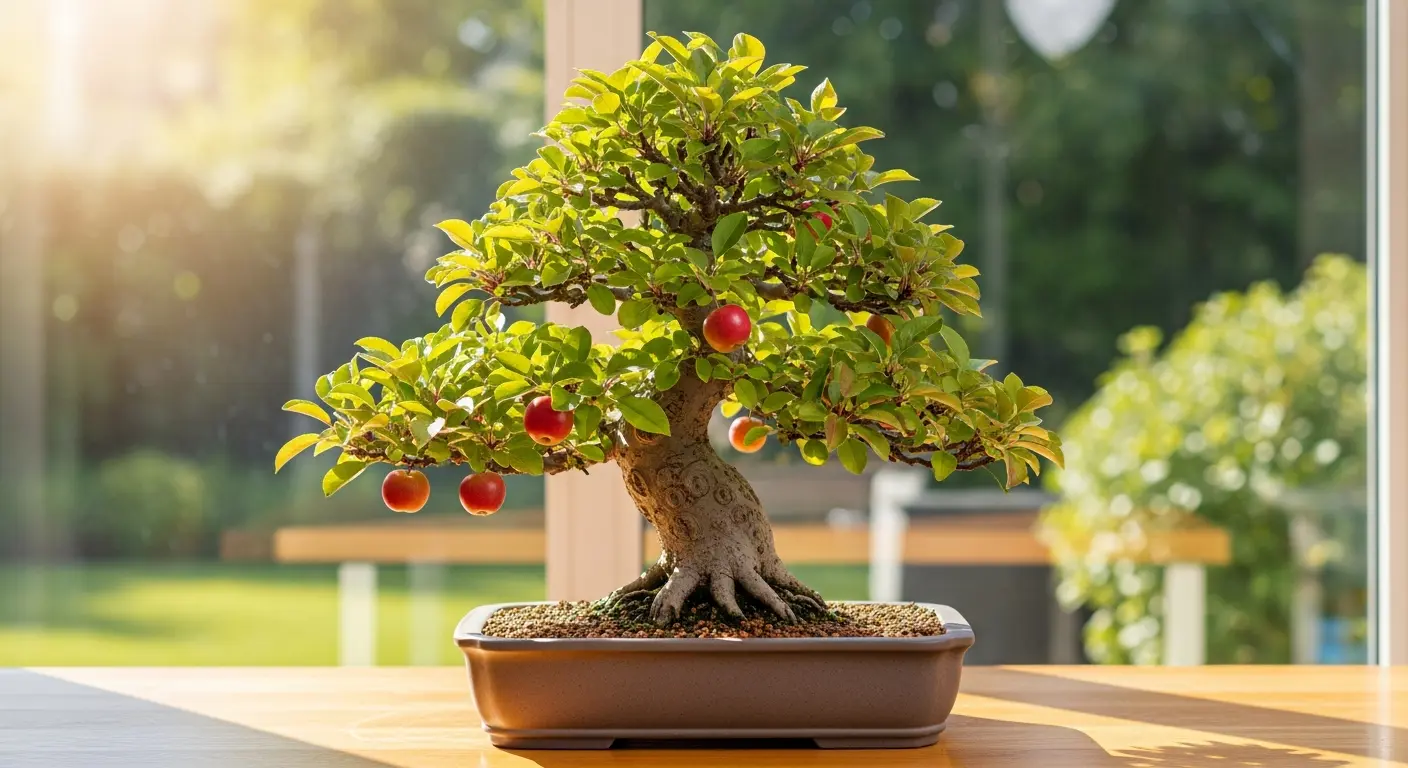
An apple tree bonsai is one of the most fascinating and rewarding bonsai trees you can grow. The idea that a miniature tree can bloom, set fruit, and produce real apples never fails to amaze plant lovers. With its seasonal beauty—soft spring blossoms, lush summer foliage, tiny apples in autumn, and elegant bare branches in winter—apple bonsai offers year-round visual interest.
While it may look delicate, an apple tree bonsai is actually quite resilient when cared for properly. This guide covers everything you need to know about growing and caring for an apple tree bonsai, from selecting the right variety to long-term maintenance.
Table of Contents
Understanding Apple Tree Bonsai
Apple tree bonsai is typically created from species of Malus, most commonly Malus domestica or ornamental crabapple varieties. These trees are naturally suited to bonsai because they respond well to pruning, develop attractive bark with age, and produce flowers and fruit even in small containers.
Unlike many indoor bonsai, apple bonsai is primarily an outdoor bonsai. It requires seasonal changes, including winter dormancy, to thrive and fruit properly.
Best Apple Varieties for Bonsai
Not all apple trees are ideal for bonsai. The best varieties are those with smaller leaves, compact growth habits, and ornamental appeal.
Popular choices include:
Malus domestica (apple varieties bred for bonsai)
Crabapple (Malus spp.)
Malus sieboldii
Malus halliana
Crabapple varieties are especially popular because they produce abundant flowers and small fruits that look perfectly proportioned on a bonsai tree.
Choosing the Right Location
Outdoor Placement
Apple tree bonsai grows best outdoors, where it can receive natural sunlight and experience seasonal temperature changes.
Place the tree in a location that receives full sun for at least 6–8 hours daily. Sunlight is essential for healthy growth, flowering, and fruit production.
Good airflow is also important, as it helps prevent fungal issues.
Indoor Growing (Temporary Only)
Apple bonsai can be kept indoors briefly for display during flowering or fruiting, but long-term indoor growth is not recommended. Without winter dormancy, the tree weakens over time and may stop producing fruit.
Light Requirements
Apple bonsai requires bright, direct sunlight.
Insufficient light can result in weak growth, larger leaves, reduced flowering, and poor fruit development. If sunlight is limited, growth slows significantly.
During extremely hot summers, light afternoon shade can help prevent leaf scorching, especially in warmer climates.
Temperature & Climate Needs
Apple trees are cold-hardy and naturally adapted to temperate climates.
Ideal growth temperature:
15°C to 28°C (59°F to 82°F)
Winter dormancy is essential. Apple bonsai can tolerate frost, but pots should be protected from extreme freezing to prevent root damage. In harsh winters, placing the bonsai in a cold frame, unheated garage, or sheltered outdoor area is ideal.
Soil Requirements
Well-draining soil is critical for apple bonsai health.
A good bonsai soil mix should:
Allow fast drainage
Hold enough moisture for roots
Provide proper aeration
A typical soil mix may include akadama, pumice, and lava rock or coarse sand. Organic matter should be minimal to avoid water retention issues.
Watering the Apple Tree Bonsai
Watering must be done carefully and consistently.
During the growing season, apple bonsai should be watered when the top layer of soil begins to dry. In warm weather, this may mean daily watering. During cooler seasons, watering frequency decreases.
Key watering tips:
Never allow the soil to dry out completely
Avoid waterlogging
Water thoroughly until excess drains out
Irregular watering can cause leaf drop, poor flowering, or fruit drop.
Fertilizing for Healthy Growth and Fruit
Apple tree bonsai benefits from regular feeding, especially during the growing season.
Use a balanced bonsai fertilizer from early spring until late summer. Once flower buds form, reduce nitrogen slightly and increase potassium to support fruit development.
Fertilizing schedule:
Early spring: balanced fertilizer
Flowering stage: light feeding
Fruit development: potassium-rich fertilizer
Autumn: reduced feeding
Winter: no fertilizer
Over-fertilizing can lead to excessive leaf growth at the expense of flowers and fruit.
Pruning Techniques
Structural Pruning
Structural pruning is best done in late winter or early spring while the tree is dormant. This helps define the bonsai shape and encourages strong branch development.
Remove:
Large unwanted branches
Crossing branches
Weak or downward-growing shoots
Maintenance Pruning
During the growing season, new shoots should be trimmed after they develop 6–8 leaves, cutting back to 2–3 leaves. This helps maintain compact growth and encourages branching.
Avoid heavy pruning once flower buds have formed.
Wiring the Apple Bonsai
Wiring helps shape branches but must be done carefully to avoid damaging bark.
Use aluminum bonsai wire and apply gently. Apple tree branches thicken quickly, so wires should be checked frequently and removed before they scar the bark.
Wiring is best done during spring or early summer when branches are flexible.
Flowering and Fruiting
One of the most exciting aspects of apple bonsai is flowering and fruiting.
In spring, apple bonsai produces delicate white or pink blossoms. Once pollinated, these flowers develop into small apples.
To improve fruit production:
Ensure full sunlight
Avoid excessive pruning during flowering
Allow pollinators access if outdoors
Hand-pollinate flowers if necessary
Fruit thinning is important. Allowing too many fruits to develop can weaken the tree. Removing excess fruits helps the tree stay healthy and produces better-sized apples.
Repotting the Apple Tree Bonsai
Apple bonsai should be repotted every 2–3 years.
The best time to repot is early spring before buds open. During repotting, prune up to one-third of the roots and refresh the soil.
After repotting:
Keep in partial shade for a week
Water carefully
Avoid fertilizing for 3–4 weeks
Common Pests and Diseases
Apple bonsai can be affected by several pests and diseases.
Common pests include:
Aphids
Spider mites
Scale insects
Caterpillars
Diseases to watch for:
Powdery mildew
Apple scab
Leaf spot
Regular inspection, good airflow, proper watering, and occasional neem oil sprays help prevent most issues.
Seasonal Care Guide
Spring
Repot if needed
Begin fertilizing
Watch for flowers
Summer
Regular watering
Full sunlight
Fruit thinning
Autumn
Reduce fertilizer
Enjoy fruit harvest
Prepare for dormancy
Winter
Protect roots from freezing
No fertilizing
Minimal watering
Harvesting Apples from Bonsai
Yes, you can eat apples grown on a bonsai tree. While they are smaller, they are fully edible and flavorful.
Harvest apples when they are fully colored and slightly soft to the touch. Do not leave fruit on the tree too long, as it can attract pests or drain energy.
Final Thoughts
Apple tree bonsai combines beauty, tradition, and the joy of growing real fruit in miniature form. It requires patience, seasonal care, and attention to detail, but the rewards are unmatched. From spring blossoms to autumn apples, this bonsai tells a living story throughout the year.
With proper sunlight, careful watering, regular pruning, and respect for its natural growth cycle, an apple bonsai can thrive for decades—becoming not just a plant, but a living piece of art.