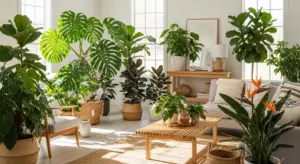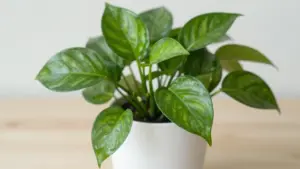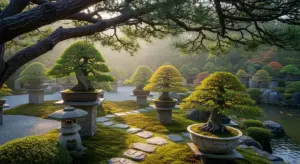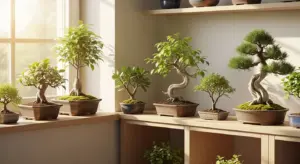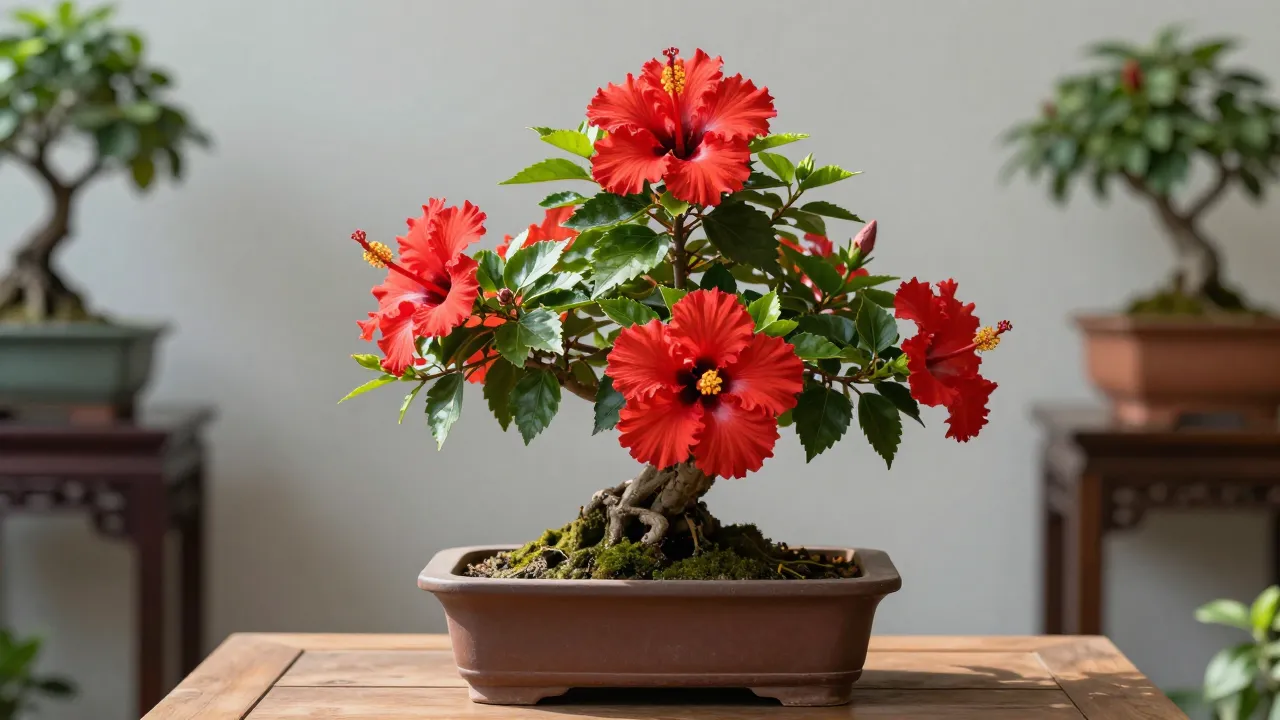
The hibiscus bonsai is one of the most striking flowering bonsai plants you can grow. With its glossy green leaves and large, vibrant blooms in shades of red, pink, yellow, orange, or white, it brings a tropical charm that few bonsai plants can match. While it looks exotic and delicate, hibiscus bonsai is surprisingly manageable when its basic needs are met.
This guide will walk you through everything you need to know about growing, training, and caring for a hibiscus bonsai plant, from choosing the right variety to keeping it healthy year-round.
Table of Contents
Understanding Hibiscus Bonsai
Hibiscus bonsai is usually created from Tropical Hibiscus (Hibiscus rosa-sinensis) rather than hardy varieties. Tropical hibiscus responds better to pruning, has smaller leaves, and flowers repeatedly when grown correctly.
Unlike traditional bonsai trees grown mainly for trunk shape and foliage, hibiscus bonsai is prized equally for flowers and structure. Its blooms are large compared to the tree size, making it a dramatic and eye-catching plant for indoor or balcony gardening.
Best Hibiscus Varieties for Bonsai
Not all hibiscus plants are suitable for bonsai. The following varieties are commonly used because they adapt well to container growth and pruning:
Hibiscus rosa-sinensis (most popular for bonsai)
Miniature hibiscus cultivars
Chinese hibiscus
These varieties produce flowers consistently and develop attractive trunks over time.
Light Requirements
Hibiscus bonsai loves bright light. Light plays a crucial role in both healthy foliage growth and flower production.
Indoors, place the plant near a south- or east-facing window where it can receive at least 5–6 hours of bright, indirect sunlight daily. Some gentle morning sun is beneficial, but harsh afternoon sun behind glass may scorch the leaves.
Outdoors, hibiscus bonsai thrives in full sun to partial shade. If grown outside, gradually acclimate it to strong sunlight to avoid leaf burn.
Without enough light, the plant may grow leggy and produce fewer flowers.
Temperature & Humidity
Being a tropical plant, hibiscus bonsai prefers warm conditions.
Ideal temperature range:
18°C to 30°C (65°F to 86°F)
It does not tolerate cold well. When temperatures drop below 12°C (54°F), growth slows and leaves may drop. In colder regions, hibiscus bonsai should be kept indoors during winter.
Humidity is equally important. Hibiscus prefers moderate to high humidity. Dry indoor air can cause buds to drop before opening.
To improve humidity:
Mist the leaves regularly
Use a humidity tray
Keep the plant away from heaters and air conditioners
Soil Requirements
Well-draining soil is essential for hibiscus bonsai. The roots need moisture, but soggy soil can cause root rot.
An ideal bonsai soil mix should contain:
Organic material for nutrients
Coarse sand or perlite for drainage
Akadama or similar bonsai soil components
The soil should retain moisture while allowing excess water to drain quickly.
Watering the Hibiscus Bonsai
Hibiscus bonsai likes consistent moisture, especially during the growing and flowering season.
Water when the top layer of soil feels slightly dry. During summer, this may mean watering daily, especially if the plant is in full sun. In winter, reduce watering but never let the soil dry out completely.
Signs of improper watering include:
Yellowing leaves (overwatering)
Drooping or crispy leaves (underwatering)
Flower buds falling before opening (irregular watering)
Always water thoroughly until excess water drains from the bottom of the pot.
Fertilizing for Healthy Growth & Flowers
Hibiscus is a heavy feeder, especially when grown as a bonsai.
During the growing season (spring to early autumn), fertilize every 1–2 weeks using a balanced or slightly higher potassium fertilizer to encourage flowering.
A typical schedule:
Liquid fertilizer diluted to half strength
Organic bonsai fertilizer pellets
Occasional micronutrient supplementation
Reduce fertilizing in winter when growth slows.
Without adequate nutrients, hibiscus bonsai may grow leaves but fail to flower.
Pruning & Shaping
Pruning is essential to maintain shape, control size, and encourage branching.
Structural pruning is best done in early spring before vigorous growth begins. This helps define the trunk and main branches.
Maintenance pruning can be done throughout the growing season by trimming back new shoots after they develop 4–6 leaves, cutting them back to 2–3 leaves.
Important pruning tips:
Avoid heavy pruning during peak flowering
Remove weak, crossing, or inward-growing branches
Prune just above a leaf node
Regular pruning leads to a compact shape and more flowering points.
Wiring the Hibiscus Bonsai
Wiring helps guide branches into the desired shape but must be done carefully.
Use aluminum bonsai wire and apply it gently, as hibiscus branches are relatively soft and can snap easily.
Check wires frequently. Hibiscus branches thicken quickly, and wires can cut into bark within weeks. Remove the wire as soon as the branch holds its shape.
Wiring is best done during periods of active growth when branches are flexible.
Repotting the Hibiscus Bonsai
Hibiscus bonsai should be repotted every 1–2 years, preferably in spring.
When repotting:
Trim about one-third of the root mass
Remove old soil carefully
Use fresh, well-draining bonsai soil
Choose a pot slightly larger if needed
After repotting, keep the plant in light shade for a few days and reduce watering slightly until it recovers.
Encouraging Flowering
One of the most common concerns with hibiscus bonsai is lack of flowers.
For abundant blooms, ensure:
Enough sunlight
Regular feeding
Consistent watering
Warm temperatures
Buds may drop due to sudden changes in temperature, low humidity, or stress from overwatering or underwatering.
Once conditions stabilize, hibiscus will often bloom repeatedly through the warm months.
Pests & Common Problems
Hibiscus bonsai can be affected by common houseplant pests such as:
Aphids
Spider mites
Whiteflies
Mealybugs
Regularly inspect the leaves, especially the undersides. Treat infestations early with neem oil or insecticidal soap.
Other common issues include:
Yellow leaves due to overwatering or nutrient deficiency
Leaf drop from cold exposure or stress
No flowers due to low light or lack of nutrients
Most problems can be corrected by adjusting care rather than drastic measures.
Indoor vs Outdoor Growing
Hibiscus bonsai can be grown both indoors and outdoors, depending on climate.
Indoors:
Ideal for colder regions
Requires bright light and humidity management
Outdoors:
Grows stronger and blooms more vigorously
Must be protected from cold and frost
Many growers move their hibiscus bonsai outdoors in summer and indoors during winter.
Seasonal Care Tips
Spring:
Repot if needed
Begin fertilizing
Increase watering
Summer:
Maximum light
Frequent watering and feeding
Regular pruning
Autumn:
Reduce fertilizer gradually
Prepare to move indoors if temperatures drop
Winter:
Maintain warmth and light
Reduce watering
No heavy pruning
Final Thoughts
Growing a hibiscus bonsai is both rewarding and visually stunning. Its glossy leaves, dramatic flowers, and tropical character make it a standout bonsai that feels alive and vibrant throughout the growing season. While it requires more attention than some traditional bonsai trees, the reward of seeing full-sized hibiscus blooms on a miniature tree makes every bit of care worthwhile.
With proper light, consistent watering, thoughtful pruning, and a warm environment, your hibiscus bonsai can thrive for many years and become the centerpiece of your indoor or balcony garden.