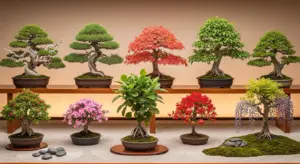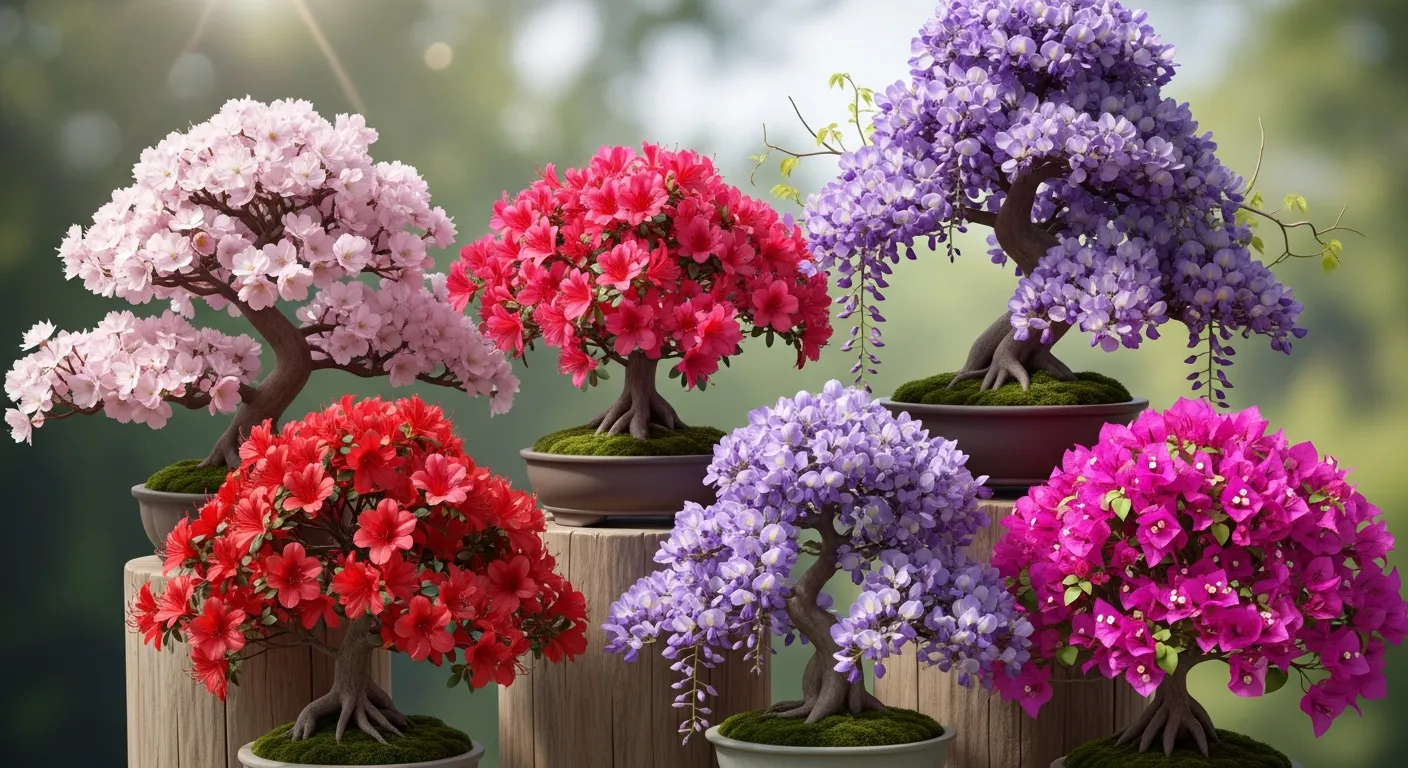
There’s something truly magical about flowering bonsai trees — the way they blend the elegance of ancient art with the vibrancy of living blossoms. These miniature wonders bring color, fragrance, and life into your home or garden, turning ordinary spaces into breathtaking natural displays.
While bonsai art often focuses on form and structure, flowering varieties offer an added dimension: beauty in bloom. In this article, we’ll explore 15 of the most stunning flowering bonsai plants from around the world — each with its unique colors, fragrances, and seasonal rhythms.
Whether you’re a bonsai enthusiast or a beginner, these trees will completely redefine what you thought possible from miniature horticulture.
Table of Contents
Why Choose Flowering Bonsai Trees?
Before diving into our list, it’s important to understand what makes flowering bonsai plants so special.
Key Benefits of Flowering Bonsai Trees:
- Seasonal Color: Unlike evergreens, flowering bonsai trees transform throughout the year — buds in spring, blooms in summer, fruits in fall.
- Fragrance & Mood Boost: Many varieties release delicate scents that improve indoor air quality and enhance relaxation.
- Pollinator-Friendly: Flowering bonsai attract bees and butterflies, even in balcony or urban settings.
- Symbolic Meaning: Blossoming bonsai symbolize rebirth, love, and harmony — making them perfect gifts.
- Visual Appeal: Their vibrant petals stand out in minimalist, Zen-inspired environments.
According to a 2023 gardening trends report, searches for “flowering bonsai trees” increased by over 80%, reflecting their growing popularity among collectors and interior designers alike.
1. Azalea Bonsai (Rhododendron indicum)
The Azalea bonsai is often called the queen of flowering bonsai plants — and for good reason. When in full bloom, it explodes with vivid shades of pink, red, purple, or white.
- Bloom Season: Late spring to early summer
- Light Requirements: Bright, indirect sunlight
- Fun Fact: The Satsuki Azalea, native to Japan, can produce multicolored blooms on a single plant — a rare and mesmerizing sight.
At the Omiya Bonsai Museum in Japan, some Azalea bonsai are over 100 years old and still bloom magnificently every year.
2. Bougainvillea Bonsai
Famous for its paper-like bracts and cascading beauty, the Bougainvillea bonsai adds tropical flair to any collection. The vibrant magenta, orange, and white hues make it one of the most striking flowering bonsai trees in warm climates.
- Bloom Season: Nearly year-round in tropical regions
- Ideal Temperature: 18–28°C (65–82°F)
- Special Tip: Trim right after blooming to encourage continuous flower growth.
Bougainvillea bonsai are among the best options for outdoor displays because of their dazzling blooms and easy adaptability.
3. Cherry Blossom Bonsai (Sakura)
The Cherry Blossom bonsai, or Sakura, is the most iconic flowering bonsai in Japan. Known for its delicate pink or white blossoms, it represents the fleeting beauty of life and renewal.
- Bloom Season: Early spring
- Symbolism: Love, purity, and new beginnings
- Maintenance: Requires cold dormancy during winter
In Japan, cherry blossom festivals (Hanami) celebrate the short-lived but powerful bloom season. As bonsai, these miniature trees carry that same poetic spirit indoors.
4. Hibiscus Bonsai
If you crave bold tropical color, the Hibiscus bonsai is an absolute showstopper. Its large, trumpet-shaped flowers bloom in stunning shades of red, yellow, and orange.
- Bloom Season: Spring to autumn
- Light Needs: Full sunlight for at least 6 hours a day
- Best For: Warm, humid climates
One of the most vivid flowering bonsai plants, Hibiscus thrives with regular pruning and high humidity. Some species can even bloom daily in summer.
5. Wisteria Bonsai (Wisteria floribunda)
Graceful and fragrant, the Wisteria bonsai is one of the most enchanting flowering varieties. Its drooping clusters of purple, white, or blue blossoms create a cascading waterfall effect.
- Bloom Season: Late spring to early summer
- Fragrance: Strong, sweet scent
- Highlight: The Japanese Wisteria floribunda can live for over 100 years
Large Wisteria bonsai are showcased in Japanese temples and gardens as symbols of love and immortality. Their hanging blooms make them ideal for display on tall stands or shelves.
6. Camellia Bonsai (Camellia japonica)
The Camellia bonsai is prized for its glossy evergreen leaves and rose-like blooms that appear in winter when few other plants flower.
- Bloom Season: Winter to early spring
- Colors: Pink, white, red, or variegated
- Fun Fact: Camellias have been cultivated for over 1,000 years in Asia
They require acidic soil and steady humidity, but the reward is unmatched — their blooms look almost sculpted.
7. Jasmine Bonsai (Jasminum sambac)
Few flowering bonsai trees can compete with the fragrance of the Jasmine bonsai. Its small, star-shaped white flowers perfume the air with a sweet, calming scent.
- Bloom Season: Summer
- Light Requirement: Bright indirect light
- Best Feature: Intoxicating fragrance
Jasmine bonsai are often kept near windows or meditation spaces, where their aroma promotes relaxation and sleep quality.
8. Gardenia Bonsai (Gardenia jasminoides)
If you’re after both beauty and fragrance, the Gardenia bonsai is a must-have. With creamy white petals and glossy green foliage, it’s one of the most elegant flowering bonsai plants available.
- Bloom Season: Late spring to early fall
- Scent: Sweet and rich — used in perfumery
- Care Level: Moderate; prefers humidity and consistent moisture
A single blooming Gardenia bonsai can fill an entire room with its luxurious scent.
9. Rose Bonsai (Rosa chinensis)
Imagine a miniature rose garden in a single pot — that’s the charm of a Rose bonsai. With proper pruning, these plants produce small yet vivid blooms that perfectly capture the essence of full-sized roses.
- Bloom Season: Summer
- Color Range: Red, pink, yellow, white
- Ideal For: Beginners who love ornamental flowers
Compact and stunning, the Rose bonsai remains a top pick for enthusiasts who want a blend of romance and refinement.
10. Plum Blossom Bonsai (Prunus mume)
Known as Ume in Japan, the Plum Blossom bonsai is among the earliest bloomers, often flowering in late winter. Its fragrant blossoms in white or pink appear before the leaves, symbolizing hope and renewal.
- Bloom Season: Late winter to early spring
- Cultural Symbol: Perseverance and purity
- Bonus: Attracts early-season pollinators
Its contrast between gnarled bark and delicate flowers makes it a favorite among traditional bonsai artists.
11. Powder Puff Bonsai (Calliandra haematocephala)
One of the most unusual flowering bonsai trees, the Powder Puff features fluffy, spherical flowers that resemble bright red pom-poms.
- Bloom Season: Year-round in warm climates
- Native To: South America
- Best For: Tropical and subtropical bonsai lovers
The blooms not only look stunning but also attract hummingbirds and butterflies.
12. Crabapple Bonsai (Malus spp.)
A Crabapple bonsai offers a delightful seasonal journey — blossoms in spring, small fruits in summer, and colorful leaves in autumn.
- Bloom Season: Spring
- Flower Colors: Pink, white, or red
- Bonus Feature: Tiny apples that persist through winter
Crabapple bonsai are both decorative and symbolic of abundance and gratitude.
13. Pomegranate Bonsai (Punica granatum)
The Pomegranate bonsai dazzles with orange-red flowers that eventually produce miniature edible fruits.
- Bloom Season: Summer
- Fruit Size: Around 2–3 cm in diameter
- Symbolism: Fertility, strength, and prosperity
Its twisted trunk and bright flowers make it one of the most visually dynamic flowering bonsai plants.
14. Fukien Tea Bonsai (Carmona retusa)
The Fukien Tea bonsai blooms with small white flowers throughout the year, followed by tiny red berries. Its shiny leaves and fine ramification make it a favorite for indoor displays.
- Bloom Season: Year-round (indoors)
- Native To: Southeast Asia
- Care Level: Moderate; prefers warmth and humidity
Because of its continuous blooms and berries, it offers year-round visual interest.
15. Serissa Bonsai (Serissa foetida) – “Tree of a Thousand Stars”
The Serissa bonsai earned its poetic name because of its abundance of tiny white flowers that resemble a sky full of stars.
- Bloom Season: Multiple times a year
- Height: Typically under 30 cm (12 inches)
- Special Feature: Fine, delicate branching and dense foliage
This petite beauty embodies the charm and grace of traditional flowering bonsai trees, perfect for both beginners and collectors.
Quick Comparison: Flowering Bonsai Plants at a Glance
| Bonsai Tree | Flower Color | Bloom Season | Difficulty | Ideal Environment |
|---|---|---|---|---|
| Azalea | Pink, red, white | Spring | Moderate | Outdoor |
| Bougainvillea | Magenta, orange | All year | Easy | Warm, sunny |
| Cherry Blossom | Pink, white | Spring | Moderate | Outdoor |
| Hibiscus | Red, yellow | Summer | Easy | Tropical |
| Wisteria | Purple, white | Late spring | Advanced | Outdoor |
| Camellia | Pink, red | Winter | Moderate | Cool, shaded |
| Jasmine | White | Summer | Easy | Indoor/outdoor |
| Gardenia | White | Spring–Fall | Moderate | Indoor |
| Rose | Various | Summer | Easy | Indoor/outdoor |
| Plum Blossom | White, pink | Late winter | Advanced | Outdoor |
| Powder Puff | Red | Year-round | Easy | Warm |
| Crabapple | Pink, white | Spring | Moderate | Outdoor |
| Pomegranate | Orange | Summer | Moderate | Sunny |
| Fukien Tea | White | Year-round | Moderate | Indoor |
| Serissa | White | Year-round | Easy | Indoor |
Caring for Flowering Bonsai Trees
To get the most from your flowering bonsai plants, proper care is essential. Blooming species have unique nutritional and environmental needs:
Essential Care Tips:
- Sunlight: Most flowering bonsai require 5–6 hours of daily sunlight.
- Feeding: Use a phosphorus-rich fertilizer to promote healthy blooms.
- Pruning: Trim after flowering to maintain shape and encourage new buds.
- Watering: Keep soil slightly moist — not soggy — as dry roots can prevent blooming.
- Repotting: Every 2–3 years to refresh soil nutrients and manage root growth.
According to horticultural studies, bonsai trees that receive consistent light and humidity show up to 40% more flowering output compared to neglected specimens.
How to Choose the Right Flowering Bonsai Tree
Your ideal flowering bonsai tree depends on:
- Climate: Tropical species (Bougainvillea, Hibiscus) thrive in warm regions; temperate ones (Azalea, Cherry) need cooler winters.
- Experience Level: Beginners can start with Serissa or Bougainvillea; advanced growers may prefer Wisteria or Camellia.
- Aesthetic Goals: Choose colors and bloom shapes that complement your interior or garden style.
The Emotional and Aesthetic Power of Flowering Bonsai
Beyond their visual allure, flowering bonsai trees embody balance, patience, and the fleeting nature of beauty. Watching your bonsai bloom after months of care is deeply rewarding — a reminder that even small acts of nurturing can yield extraordinary results.
Many interior designers now use flowering bonsai as focal points in minimalist or modern homes, noting that they create a 46% improvement in perceived tranquility and mood, according to environmental psychology studies.
Final Thoughts
From the elegant Cherry Blossom to the radiant Hibiscus, these 15 flowering bonsai plants prove that nature’s artistry knows no limits. Each tree tells a story — of patience, color, and renewal — and brings a little piece of living art into your daily life.
Whether displayed in a Zen garden, balcony, or indoor space, flowering bonsai trees turn every bloom into a celebration of beauty and balance.