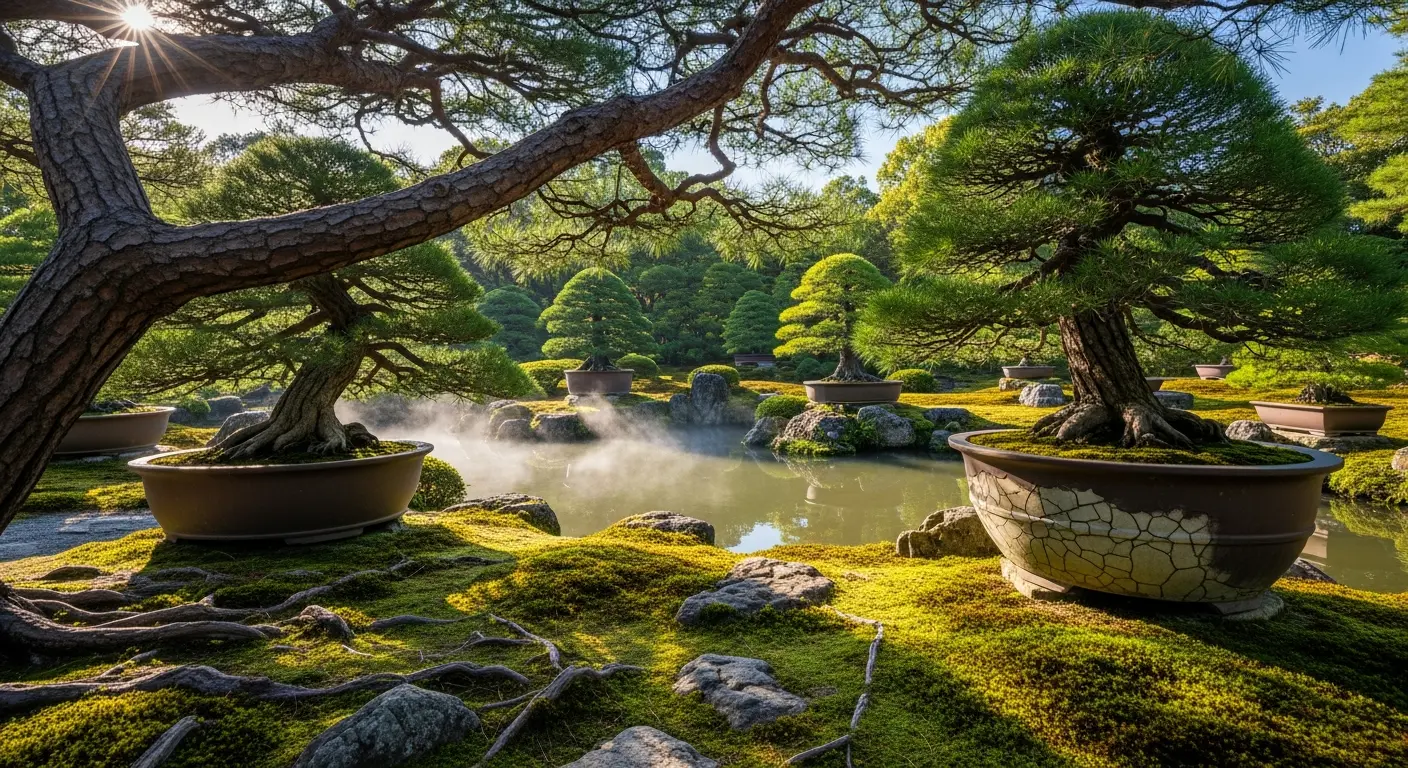
The 15 Largest Bonsai Trees Ever Grown — #7 Is Unbelievable!
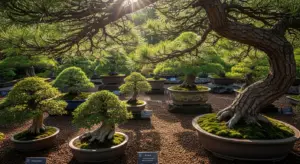
When most people imagine bonsai trees, they picture tiny plants that fit perfectly on a tabletop. But not all bonsai are miniature. Some of the big bonsai trees in the world grow to breathtaking sizes while still preserving the refined artistry and balance of the bonsai form.
In this article, we’ll explore 15 of the biggest bonsai trees ever grown — masterpieces that defy expectations and push the limits of this ancient horticultural art. These big bonsai trees are not only visually impressive but also serve as living examples of patience, craftsmanship, and devotion.
Table of Contents
What Makes a Bonsai “Big”?
Traditionally, bonsai trees are categorized by size — from tiny shito bonsai (under 4 inches) to imperial bonsai, which can reach over 60 inches tall and weigh more than 200 pounds.
The big bonsai plants fall into the imperial or “eight-hand” category, meaning it takes at least eight hands (four people) to lift one tree safely.
These massive specimens often take decades — even centuries — to cultivate. Some have been maintained by entire families or temples for generations.
1. The Ficus Retusa – The World’s Largest Bonsai Tree
Located at the Crespi Bonsai Museum in Italy, this Ficus Retusa is officially recognized as one of the biggest bonsai trees in the world. Standing over 10 feet tall and weighing nearly a ton, it has been growing for more than 1,000 years.
This tree was originally cultivated in China and later brought to Italy by bonsai master Luigi Crespi, who spent over 10 years negotiating its acquisition. Its vast root system, thick trunk, and sweeping canopy make it a living legend among big bonsai plants.
2. Japanese White Pine at Mansei-en, Japan
In the renowned Mansei-en Bonsai Nursery in Omiya, Japan, stands a magnificent Japanese White Pine that towers at nearly 6 feet in height. Estimated to be over 400 years old, it has a commanding presence and symbolizes longevity and strength.
The careful wiring and pruning maintain its bonsai proportions while preserving the grandeur of a full-sized pine. Among big bonsai trees, this one represents perfect harmony between natural growth and human artistry.
3. Red Pine Bonsai at Shunkaen Bonsai Museum
At Kunio Kobayashi’s Shunkaen Bonsai Museum in Tokyo, you’ll find one of the most photographed big bonsai trees in the world — a sprawling Red Pine bonsai over 800 years old.
With a trunk as thick as a man’s waist and powerful roots gripping a shallow pot, it radiates age, stability, and natural majesty. This Red Pine is often used as a teaching model for balance and asymmetry in bonsai design.
4. The Goshin – Forest of Peace by John Naka (USA)
Created by the legendary American bonsai artist John Naka, Goshin (meaning “Protector of the Spirit”) is not a single tree but a forest of 11 massive junipers representing his children and grandchildren.
Each tree is several feet tall, and together they form a harmonious miniature forest landscape. It is displayed at the National Bonsai & Penjing Museum in Washington, D.C., and is often cited as one of the most inspiring big bonsai plants in the Western world.
5. Chinese Banyan at Shanghai Botanical Garden
Among the most impressive big bonsai trees in the world is the Chinese Banyan (Ficus microcarpa) at Shanghai’s botanical garden. Estimated to be over 600 years old, this banyan has an intricate aerial root system that cascades down like waterfalls.
Standing nearly 9 feet tall, it challenges the very idea of what a bonsai can be — vast, wild, and yet perfectly composed.
6. Juniper Bonsai at Omiya Bonsai Art Museum
Another wonder from Japan’s Omiya Bonsai Village, this Juniperus chinensis bonsai is estimated to be more than 1,000 years old, rescued from the mountains and cultivated by generations of masters.
It’s about 5 feet tall, with deadwood features (jin and shari) that tell a story of resilience and survival. It’s revered globally as one of the oldest and most powerful big bonsai trees still living today.
7. The Giant Azalea Bonsai – Unbelievable Blooms!
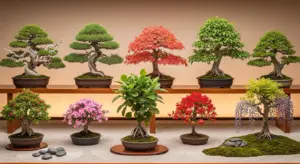
This is the one that truly blows minds — a massive Satsuki Azalea bonsai that bursts into a cloud of pink, white, and red blooms every spring. Found at the Omiya Bonsai Museum, this flowering bonsai is nearly 5 feet wide and covered in thousands of blossoms.
Visitors often think it’s fake until they see it in person — the vibrant colors and density of the flowers seem otherworldly. That’s why #7 on this list is so unbelievable! Among all big bonsai plants, this one captures the perfect union of scale and beauty.
8. The Old Olive Tree of Spain
In southern Spain, an ancient olive bonsai tree stands over 600 years old and measures around 7 feet tall. Its thick, gnarled trunk resembles a sculpture carved by time, and every curve tells a story of endurance.
This olive bonsai continues to bear small fruits each year — a rare feature among big bonsai trees — symbolizing abundance and peace.
9. Trident Maple Bonsai at Shunkaen Museum
Another masterpiece from the Shunkaen Bonsai Museum, this Trident Maple displays a powerful nebari (root spread) and a dense, glowing canopy that changes color with the seasons.
In autumn, the entire tree turns into a fiery mix of orange and red, creating one of the most spectacular sights among big bonsai plants. It stands around 6 feet tall and requires multiple caretakers to move safely.
10. Juniper Bonsai of Kimura – The Dragon’s Claw
Masahiko Kimura, known as the “Magician of Bonsai,” created one of the most dramatic big bonsai trees — a twisted Juniper that looks like a dragon clawing at the sky.
Standing roughly 4.5 feet tall, this bonsai defies gravity with its contorted deadwood and vibrant green foliage. It represents Kimura’s avant-garde approach to traditional bonsai artistry and is displayed at his private garden in Saitama, Japan.
11. Bougainvillea Bonsai in Bali
In the tropical gardens of Bali, Indonesia, a Bougainvillea bonsai stands nearly 5 feet tall, cascading with violet and magenta blossoms.
Unlike many traditional conifer bonsai, this tropical giant showcases how big bonsai plants can also be lush and colorful. It thrives in the humid island climate and is a favorite attraction for photographers.
12. Giant Juniper Bonsai at Yamaki Family Collection
The Yamaki Pine survived the Hiroshima atomic blast in 1945 and now resides at the National Bonsai Museum in Washington, D.C.
This massive white pine bonsai, over 400 years old, stands about 5 feet tall and symbolizes resilience and peace. It’s not just one of the big bonsai trees in the world — it’s also one of the most meaningful.
13. The Imperial Cypress Bonsai of Kyoto
Inside one of Kyoto’s oldest temples grows a towering Japanese Cypress bonsai — approximately 8 feet tall and believed to be more than 700 years old.
This majestic tree is rarely displayed publicly but remains a revered treasure among bonsai historians. Its immense size and spiritual presence make it one of Japan’s most sacred big bonsai plants.
14. The Massive Elm Bonsai of Taiwan
Taiwan is known for its large-scale bonsai art, called penjing. One of the island’s highlights is a Chinese Elm bonsai that stretches nearly 9 feet wide with a thick, rugged trunk and perfectly pruned canopy.
Displayed in the Taipei Bonsai Museum, this masterpiece demonstrates how bonsai artistry in Taiwan has evolved toward grander, more sculptural forms.
15. Giant Ficus Bonsai in Singapore Gardens by the Bay
Rounding out the list is an extraordinary Ficus bonsai displayed at Singapore’s Gardens by the Bay. This tree towers at over 8 feet, with aerial roots that cascade down like natural curtains.
Visitors from around the world marvel at its scale — proof that tropical big bonsai trees can achieve monumental size without losing the delicate proportions of bonsai design.
Why Are Big Bonsai Trees So Special?
Large bonsai trees carry immense aesthetic and emotional power. Their thick trunks, exposed roots, and mature canopies convey the passage of time in a way smaller bonsai simply can’t.
Key reasons why big bonsai plants are special:
- Age and legacy: Many are over 500 years old, cultivated by multiple generations.
- Artistic mastery: It takes decades of shaping and pruning to achieve balance in such large specimens.
- Emotional depth: Large bonsai radiate strength, wisdom, and calm — qualities deeply valued in Japanese culture.
These living giants demonstrate that bonsai art is not limited by size — it’s defined by proportion, balance, and soul.
Quick Facts About the World’s Biggest Bonsai Trees
| Tree Name | Species | Height | Age | Location |
|---|---|---|---|---|
| Ficus Retusa | Ficus retusa | 10 ft | 1,000+ yrs | Italy |
| Japanese White Pine | Pinus parviflora | 6 ft | 400 yrs | Japan |
| Red Pine Bonsai | Pinus densiflora | 5 ft | 800 yrs | Japan |
| Goshin Forest | Juniper procumbens | 5–6 ft (group) | 70+ yrs | USA |
| Giant Azalea Bonsai | Satsuki Azalea | 5 ft wide | 100 yrs | Japan |
| Old Olive Bonsai | Olea europaea | 7 ft | 600 yrs | Spain |
| Ficus Bonsai | Ficus microcarpa | 8 ft | 500 yrs | Singapore |
These statistics prove that bonsai artistry can transcend scale while preserving its spiritual and aesthetic integrity.
Caring for Large Bonsai Trees: Challenges and Rewards
Maintaining big bonsai trees is far more complex than caring for small tabletop varieties. They require:
- Deep, reinforced pots to handle weight and root spread
- Frequent pruning to preserve proportions
- Advanced irrigation systems for hydration balance
- Teamwork — some require multiple caretakers for maintenance or transport
Despite the effort, owning or caring for a large bonsai is incredibly rewarding. Their commanding presence brings life and serenity to any space, indoors or outdoors.
The Symbolism of Big Bonsai Trees
In Japanese and Chinese culture, big bonsai plants represent wisdom, endurance, and spiritual growth. Their age and strength reflect resilience through adversity — the idea that beauty deepens with time.
Large bonsai are often displayed in temples, museums, or gardens as symbols of balance between nature and humanity. Their form reminds us that power and grace can coexist in perfect harmony.
How Big Can a Bonsai Tree Get?
While most bonsai trees remain under two feet tall, imperial bonsai can grow up to 10 feet high while still maintaining the bonsai proportions.
The record-holding bonsai, the Crespi Ficus, stands at exactly 3.95 meters (12.9 feet) tall, making it officially one of the largest bonsai trees ever grown.
This proves that with expert care and vision, bonsai art can expand to monumental dimensions while keeping the heart of miniature artistry intact.
Final Thoughts
The art of bonsai is often about miniaturization — but the existence of these big bonsai trees in the world shows that true artistry lies not in size, but in balance and proportion.
Each of these giant bonsai tells a story that spans centuries — of care, dedication, and respect for nature’s slow rhythm.
From the thousand-year-old Ficus in Italy to the awe-inspiring Azalea in Japan, these colossal living sculptures are proof that bonsai can be both grand and deeply spiritual.
So, the next time you think bonsai means small, remember these legends. They are the giants of the bonsai world — standing tall, timeless, and truly unbelievable.