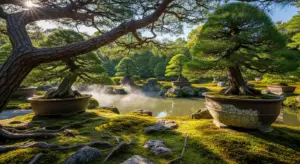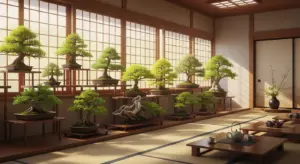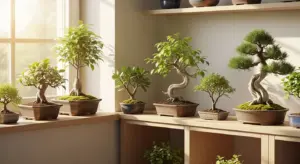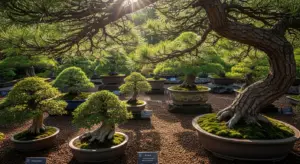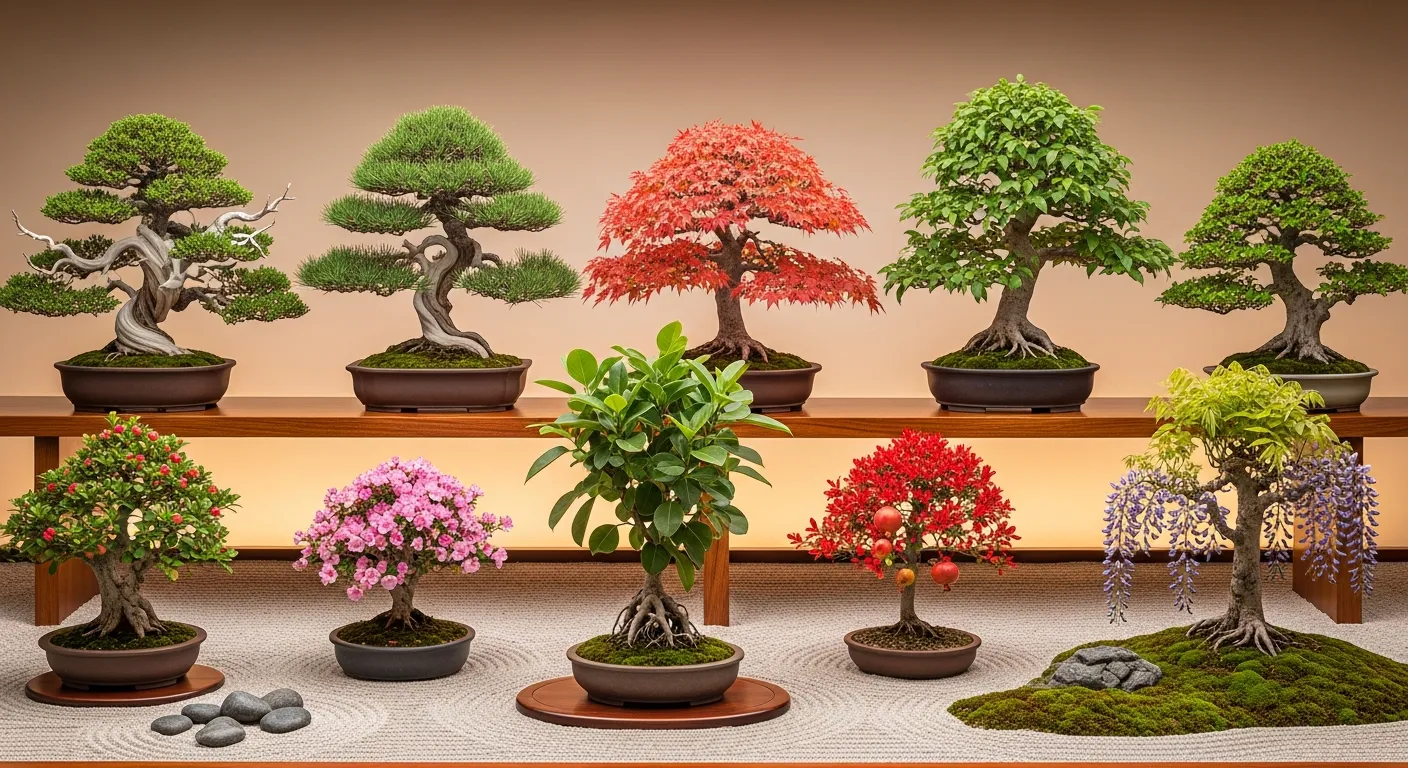
Bonsai — the art of cultivating miniature trees — has fascinated people for centuries. From ancient Japanese gardens to modern urban homes, these living sculptures symbolize harmony, patience, and balance. But did you know there are dozens of different types of bonsai trees, each with its own charm, shape, and symbolism?
In this detailed guide, we’ll explore 20+ amazing bonsai tree types every collector, gardener, and nature lover must know. Whether you prefer flowering species, evergreen conifers, or tropical varieties, these bonsai plant types will inspire your next masterpiece.
Table of Contents
What Makes Each Bonsai Tree Type Unique?
While all bonsai share a similar cultivation style, each species has distinct characteristics — leaf shape, bark texture, growth pattern, and seasonal behavior. The diversity among bonsai trees types makes this art form endlessly fascinating.
Classification of Bonsai Tree Types
- Deciduous Bonsai Trees – Shed leaves annually (e.g., Maple, Elm)
- Evergreen Bonsai Trees – Stay green all year (e.g., Juniper, Pine)
- Flowering Bonsai Trees – Produce blossoms (e.g., Azalea, Cherry)
- Fruit Bonsai Trees – Bear edible fruits (e.g., Apple, Pomegranate)
- Tropical & Subtropical Bonsai Trees – Thrive indoors (e.g., Ficus, Jade)
According to the Japanese Bonsai Association (2024), there are over 1,000 recognized bonsai plant types, with around 50 species being the most popular among collectors worldwide.
1. Juniper Bonsai (Juniperus spp.)
The Juniper bonsai is one of the most classic and beloved types of bonsai trees. Its flexible branches, aromatic foliage, and rugged trunk make it perfect for dramatic shaping.
- Ideal For: Beginners and masters alike
- Light Needs: Full sun
- Watering: Moderate; allow soil to dry slightly between watering
- Popular Varieties: Juniperus procumbens ‘Nana’, Shimpaku Juniper
Juniper bonsai symbolize protection and resilience — often seen in Japanese gardens and temples.
2. Japanese Maple Bonsai (Acer palmatum)
Famous for its fiery red, orange, and yellow foliage, the Japanese Maple bonsai is among the most beautiful bonsai plants types.
- Seasonal Highlight: Vibrant autumn colors
- Light Needs: Partial shade
- Watering: Regular; keep soil moist
- Symbolism: Peace, balance, and serenity
Collectors adore its delicate leaves and intricate branching structure.
3. Azalea Bonsai (Rhododendron indicum)
The Azalea bonsai is a flowering masterpiece with bright pink, white, red, or purple blooms. It’s one of the most stunning types of bonsai trees for spring display.
- Bloom Time: Late spring
- Light Needs: Full to partial sun
- Soil Type: Slightly acidic
- Special Feature: Covered in flowers when in full bloom
In Japan, Azalea bonsai represent passion and elegance.
4. Pine Bonsai (Pinus spp.)
Pine trees are deeply rooted in Japanese bonsai tradition. Known as “the king of bonsai,” the Pine bonsai symbolizes longevity and strength.
- Common Varieties: Japanese Black Pine, White Pine, Scots Pine
- Light Needs: Full sun
- Lifespan: 100+ years
- Style Suitability: Formal upright, slanting, and literati styles
This evergreen is one of the most respected bonsai trees types for traditionalists.
5. Ficus Bonsai (Ficus retusa / Ficus microcarpa)
The Ficus bonsai is ideal for indoor growers. It’s hardy, adaptable, and one of the easiest types of bonsai plants to maintain.
- Light Needs: Bright indirect light
- Best For: Beginners
- Special Trait: Aerial roots that create dramatic shapes
- Symbolism: Unity and connection
According to a 2023 horticultural report, Ficus species make up over 35% of indoor bonsai sales worldwide.
6. Cherry Blossom Bonsai (Prunus serrulata)
The Cherry bonsai tree is a living symbol of beauty and impermanence. Its soft pink flowers are breathtaking every spring.
- Bloom Season: March–April
- Light Needs: Full sun
- Ideal Temperature: Cool and temperate
- Symbolism: Renewal and life’s fleeting beauty
Among flowering bonsai plants, cherry trees are unmatched in elegance.
7. Chinese Elm Bonsai (Ulmus parvifolia)
The Chinese Elm bonsai is famous for its small serrated leaves and easy maintenance. It’s one of the most adaptable bonsai plants types, thriving both indoors and outdoors.
- Light Needs: Partial to full sun
- Watering: Moderate
- Trunk: Naturally gnarled and textured
- Symbolism: Wisdom and harmony
It’s often recommended for beginners learning shaping and wiring techniques.
8. Boxwood Bonsai (Buxus sempervirens)
Compact, evergreen, and full of lush foliage, the Boxwood bonsai is a favorite among European enthusiasts.
- Light Needs: Full to partial sun
- Shape: Dense, compact growth pattern
- Hardiness: Excellent
- Popular Style: Formal upright or hedge style
Boxwood trees represent endurance and order — ideal for structured designs.
9. Lemon Bonsai (Citrus limon)
The Lemon bonsai is both ornamental and edible! Its glossy leaves and yellow fruits add freshness to any collection.
- Light Needs: Full sun (at least 6 hours)
- Fragrance: Refreshing citrus scent
- Fruit: Small, edible lemons
- Symbolism: Purity and abundance
Among all fruit bonsai trees types, citrus varieties remain the most popular for indoor settings.
10. Wisteria Bonsai (Wisteria floribunda)
If you’ve ever seen cascading purple or white blooms draping from branches, you’ll know why the Wisteria bonsai is so enchanting.
- Bloom Season: Spring
- Light Needs: Full sun
- Growth Habit: Fast-growing vine
- Special Trait: Sweetly fragrant flowers
A single blooming Wisteria bonsai can stop anyone in their tracks — it’s the definition of living art.
11. Jade Bonsai (Crassula ovata)
The Jade bonsai, also called the “money tree,” is a succulent known for its thick, glossy leaves and symbolic meaning of prosperity.
- Ideal For: Beginners and dry climates
- Watering: Minimal; drought-tolerant
- Light Needs: Bright sunlight
- Symbolism: Wealth and good fortune
It’s one of the easiest bonsai plants types to grow indoors.
12. Cedar Bonsai (Cedrus spp.)
With its elegant, tiered branches, the Cedar bonsai exudes grandeur and grace. It’s one of the most majestic types of bonsai trees used in landscape displays.
- Popular Varieties: Lebanon Cedar, Himalayan Cedar
- Light Needs: Full sun
- Growth Rate: Slow
- Style: Formal upright, slanting
Its layered silhouette makes it ideal for creating ancient, forest-like scenes.
13. Olive Bonsai (Olea europaea)
The Olive bonsai tree has been cherished for centuries for its twisted trunk and silvery-green leaves. It also produces small edible fruits!
- Light Needs: Full sun
- Hardiness: High; drought-tolerant
- Symbolism: Peace, hope, and victory
A well-aged Olive bonsai often looks like it’s centuries old — a favorite among serious collectors.
14. Bougainvillea Bonsai (Bougainvillea glabra)
Bright, tropical, and showy — the Bougainvillea bonsai is a riot of color. Its pink, purple, or orange bracts create a dramatic effect year-round.
- Light Needs: Full sun
- Bloom Season: Spring to fall
- Growth Rate: Fast
- Best Climate: Warm and humid
Among tropical bonsai trees types, this one stands out for its explosion of color.
15. Trident Maple Bonsai (Acer buergerianum)
The Trident Maple bonsai is known for its smooth bark, three-lobed leaves, and vivid autumn colors.
- Light Needs: Full to partial sun
- Shape: Excellent root flare (nebari)
- Fall Color: Brilliant orange-red
- Symbolism: Endurance and balance
Collectors love its versatility — suitable for formal, informal, and broom styles.
16. Japanese Black Pine (Pinus thunbergii)
A symbol of discipline and longevity, the Japanese Black Pine bonsai is a cornerstone of traditional bonsai artistry.
- Light Needs: Full sun
- Trunk: Thick and rugged
- Needles: Long and dark green
- Growth Style: Upright and powerful
It’s one of the most iconic bonsai tree types featured in Japanese exhibitions.
17. Apple Bonsai (Malus domestica)
The Apple bonsai tree combines beauty and bounty. Its pink blossoms give way to tiny apples — all perfectly scaled for the miniature form.
- Light Needs: Full sun
- Bloom Season: Spring
- Fruit Season: Autumn
- Symbolism: Health and happiness
It’s an excellent choice among fruit-bearing bonsai plants types for any collector.
18. Elm Bonsai (Ulmus spp.)
Beyond the Chinese Elm, other Elm bonsai types like the English Elm or Winged Elm offer distinct textures and foliage patterns.
- Light Needs: Full sun to partial shade
- Trunk: Thick and aged appearance
- Hardiness: High
- Symbolism: Strength and adaptability
Their classic, upright shape embodies bonsai’s elegant simplicity.
19. Pomegranate Bonsai (Punica granatum)
Few bonsai plants types are as colorful as the Pomegranate bonsai. Its orange blossoms and small red fruits create a vibrant year-round display.
- Light Needs: Full sunlight
- Fruit: Edible miniature pomegranates
- Symbolism: Fertility and abundance
It’s a perfect combination of beauty, symbolism, and productivity.
20. Japanese White Pine (Pinus parviflora)
Known for its bluish needles and graceful trunk lines, the Japanese White Pine bonsai is a favorite of bonsai masters.
- Light Needs: Full sun
- Growth: Slow, but steady
- Best For: Formal and literati styles
- Symbolism: Wisdom and longevity
This tree is often paired with stones or moss for an aged, mountain aesthetic.
21. Hibiscus Bonsai (Hibiscus rosa-sinensis)
If you love tropical flowers, the Hibiscus bonsai will dazzle you with its bold blooms and lush foliage.
- Bloom Season: Summer
- Light Needs: Full sun
- Climate: Warm and humid
- Symbolism: Delicate beauty
Its large, colorful flowers make it one of the most vibrant bonsai plant types available.
22. Japanese Beech Bonsai (Fagus crenata)
The Beech bonsai features smooth gray bark and broad leaves that turn golden in autumn. It’s elegant, serene, and distinctly Japanese.
- Light Needs: Partial to full sun
- Trunk: Smooth and stately
- Fall Color: Brilliant gold
- Symbolism: Calm and reflection
It’s a superb choice for collectors who appreciate quiet elegance.
Quick Comparison Table of Bonsai Tree Types
| Tree Type | Category | Indoor/Outdoor | Difficulty | Highlight Feature |
|---|---|---|---|---|
| Juniper | Evergreen | Outdoor | Easy | Classic form |
| Maple | Deciduous | Outdoor | Moderate | Fall colors |
| Azalea | Flowering | Outdoor | Moderate | Bright blossoms |
| Ficus | Tropical | Indoor | Easy | Aerial roots |
| Cherry | Flowering | Outdoor | Moderate | Pink blooms |
| Jade | Succulent | Indoor | Easy | Low maintenance |
| Olive | Evergreen | Outdoor | Easy | Twisted trunk |
| Bougainvillea | Flowering | Outdoor | Moderate | Vivid colors |
| Trident Maple | Deciduous | Outdoor | Moderate | Autumn hues |
| Pomegranate | Fruit | Outdoor | Moderate | Colorful fruit |
| Lemon | Fruit | Indoor | Easy | Fragrant citrus |
How to Choose the Right Type of Bonsai Tree
When choosing from different types of bonsai trees, consider:
- Your Climate: Tropical species (like Ficus) thrive indoors; temperate ones (like Pine or Maple) need outdoor exposure.
- Maintenance Level: Beginners should start with hardy species like Juniper or Jade.
- Aesthetic Preference: Want flowers? Choose Azalea or Cherry. Prefer structure? Try Pine or Elm.
- Symbolic Meaning: Select species that align with personal values or energy.
Final Thoughts
The diversity of bonsai tree types shows that this ancient art has endless creative possibilities. Each species — from the resilient Pine to the elegant Cherry Blossom — tells its own story.
Whether you’re a seasoned collector or a beginner exploring bonsai plant types, remember that every bonsai is more than a tree — it’s a living reflection of balance, patience, and artistry.
With over 1,000 varieties to explore, your bonsai journey never truly ends. Start with one tree, nurture it, and you’ll soon discover the joy of growing your own miniature forest — one masterpiece at a time